
MorningReserved · grayer, quiet

A soft warm greige-white at LRV 73 — airy and light, but with enough warmth to stay grounded instead of washing out to plain white. Sample it large in your space before you commit.
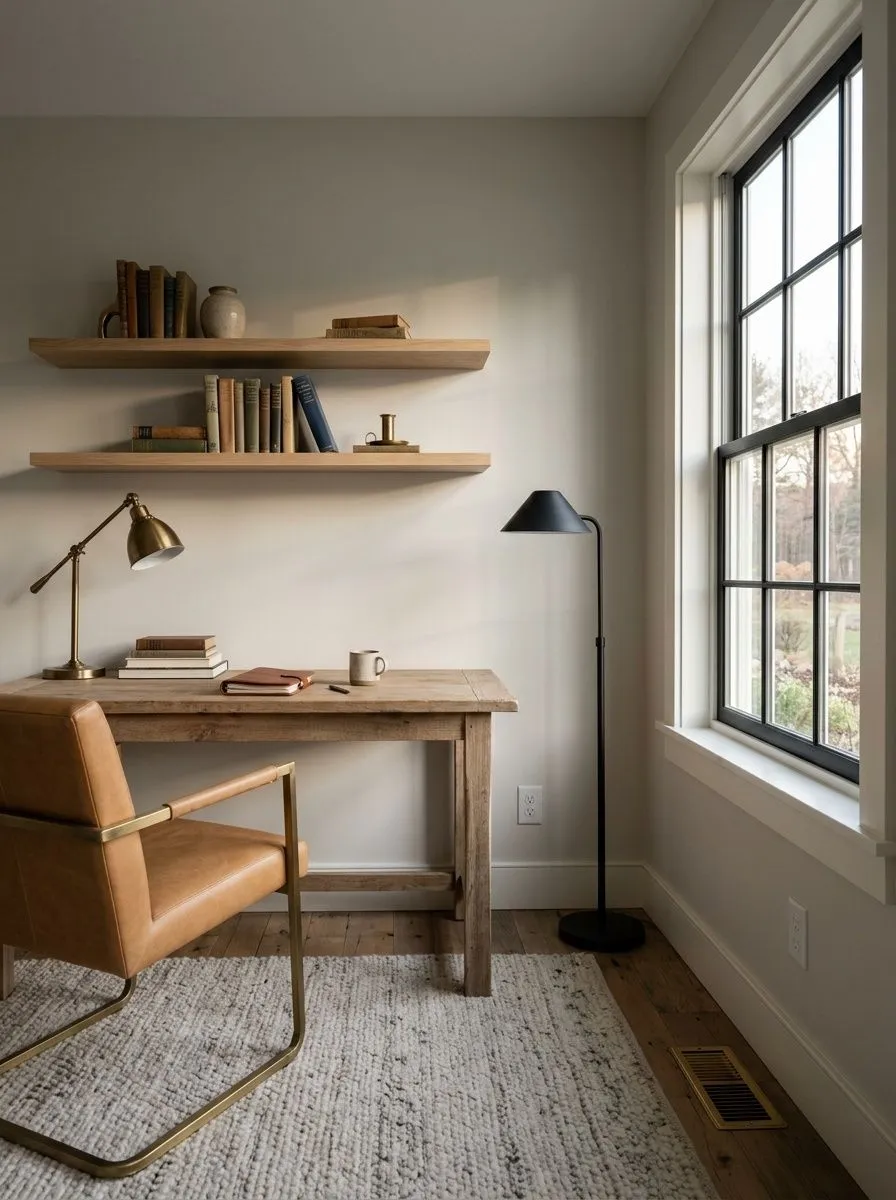
Eider White reads as a soft, warm off-white on the wall, sitting right at the boundary between a light greige and a traditional white. Its LRV of 73.2 means it is genuinely light but not bright, and in most rooms it lands closer to a chalky, muted warm neutral than a clean white. That muted quality is exactly what draws people to it and also what makes it polarizing.
The gray base is what you notice first. Then, depending on your room's light, you start to pick up something else underneath: a violet, a taupe, a pinkish cast, or nothing much at all if your light is warm enough to neutralize it. Warm incandescent or soft white bulbs pull the color toward a creamy, almost linen tone. Cool daylight or LED bulbs push the gray forward and bring up whatever pink or lavender is lurking. The shift can be surprisingly significant between morning and evening in the same room.
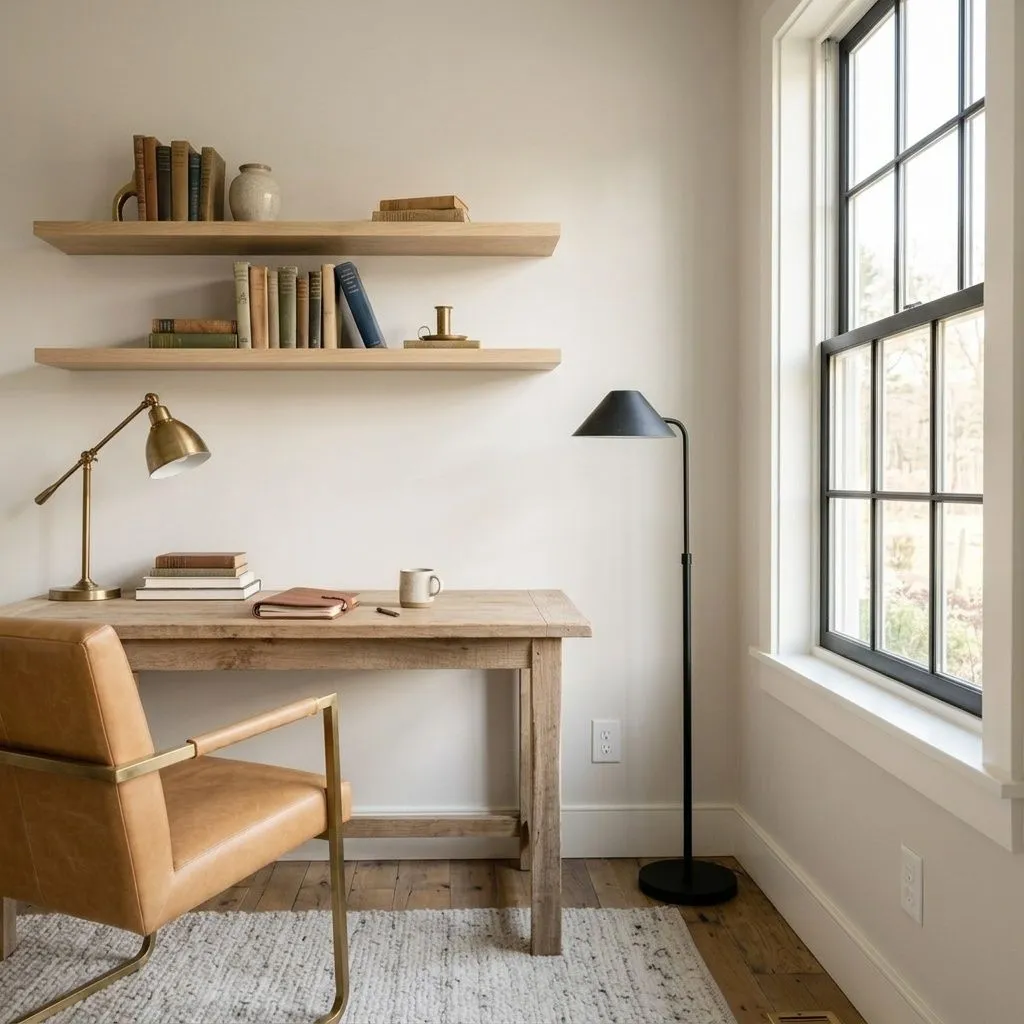
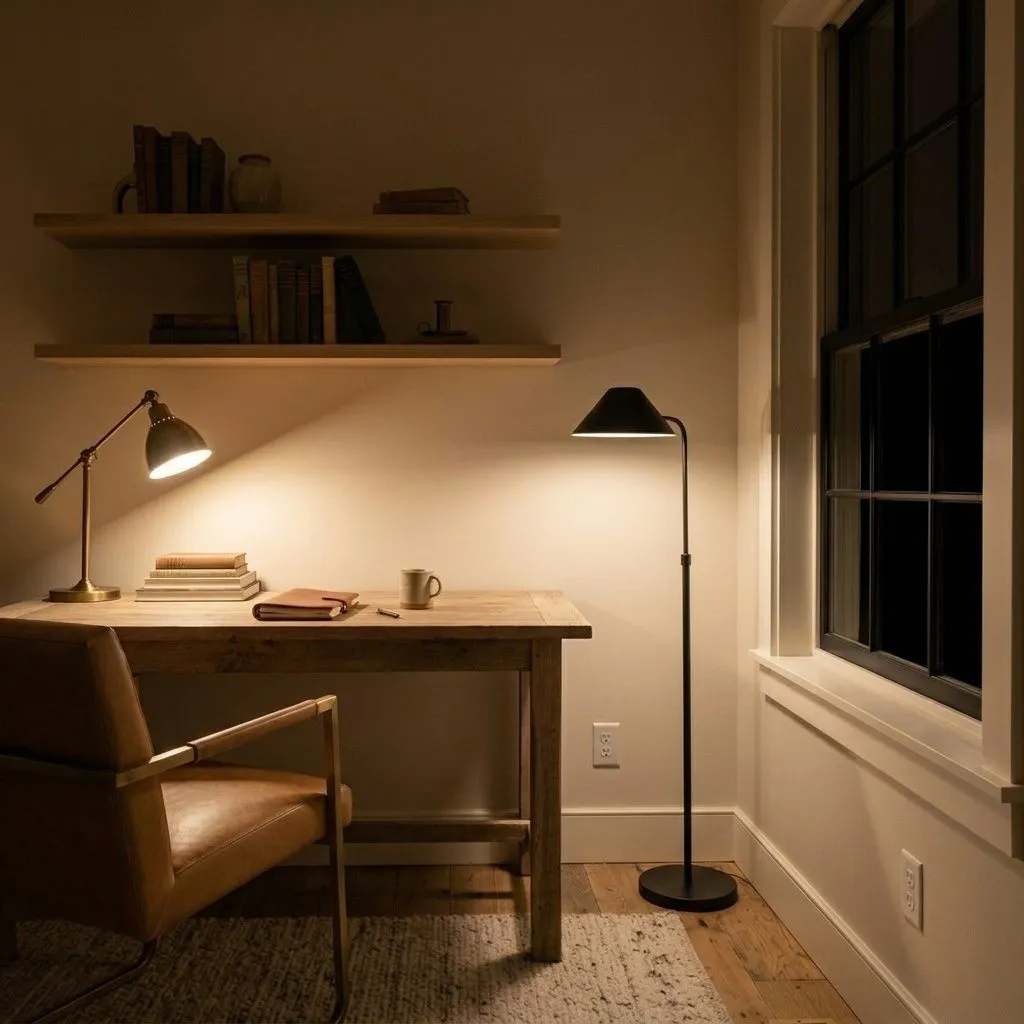
This is where Eider White gets complicated, and it is worth being honest about it. The undertone is the single biggest topic in every independent review of this color, and those reviews do not agree. Some describe the undertone as a soft warm violet beneath a gray base. Others call it a taupe with pink hints. A few see a mild lavender. Some people in warm-lit rooms see none of this and just read it as a soft creamy neutral. Nobody calls it a straightforward warm beige or a clean cool gray, which tells you something.
Light direction is the main variable. North-facing rooms are the trickiest: without direct sunlight, the gray deepens and the pink or lavender cast can surface more noticeably. South and west exposures flood the color with warm light, which softens the gray and suppresses the pink, moving it toward a creamier, more neutral read. East-facing rooms are mixed, warm in the morning and cooler by afternoon, so the color actually shifts through the day. That is not unusual for a warm greige, but with Eider White the undertone shift is a bigger factor than with simpler beiges.
A practical consensus does emerge: dark finishes and warm wood tones around the color help suppress the pink read, while a lot of cool white trim, cool stone, or stainless steel can pull the violet forward and make it look out of place. Reviewers who are sensitive to pink or purple consistently flag this color as risky, and several colorists note it is less predictable than warmer, creamier off-whites. If you want a greige-white with zero pink risk, this may not be the right starting point. If you want a soft, lived-in neutral with a bit of complexity, and you sample it first, it can be very good.
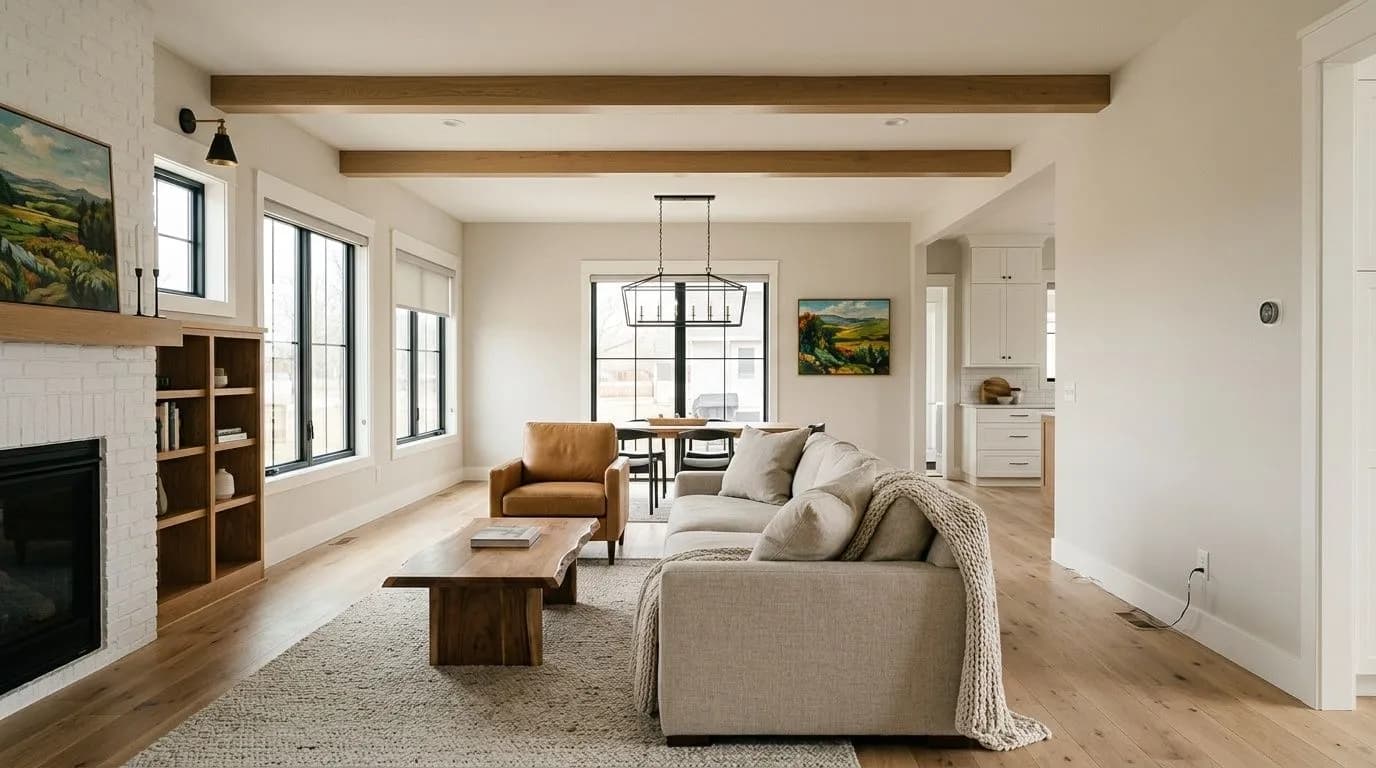
Eider White works as a whole-house neutral and that is one of its most cited uses. Because it is light enough to feel open but warm enough to feel settled, it moves easily between living rooms, bedrooms, kitchens, and bathrooms without feeling mismatched room to room. Rental properties and transitional interiors show up frequently in reviews as ideal applications, because the color is neutral enough to read broadly but warm enough to avoid the cold, clinical feeling of a stark white.
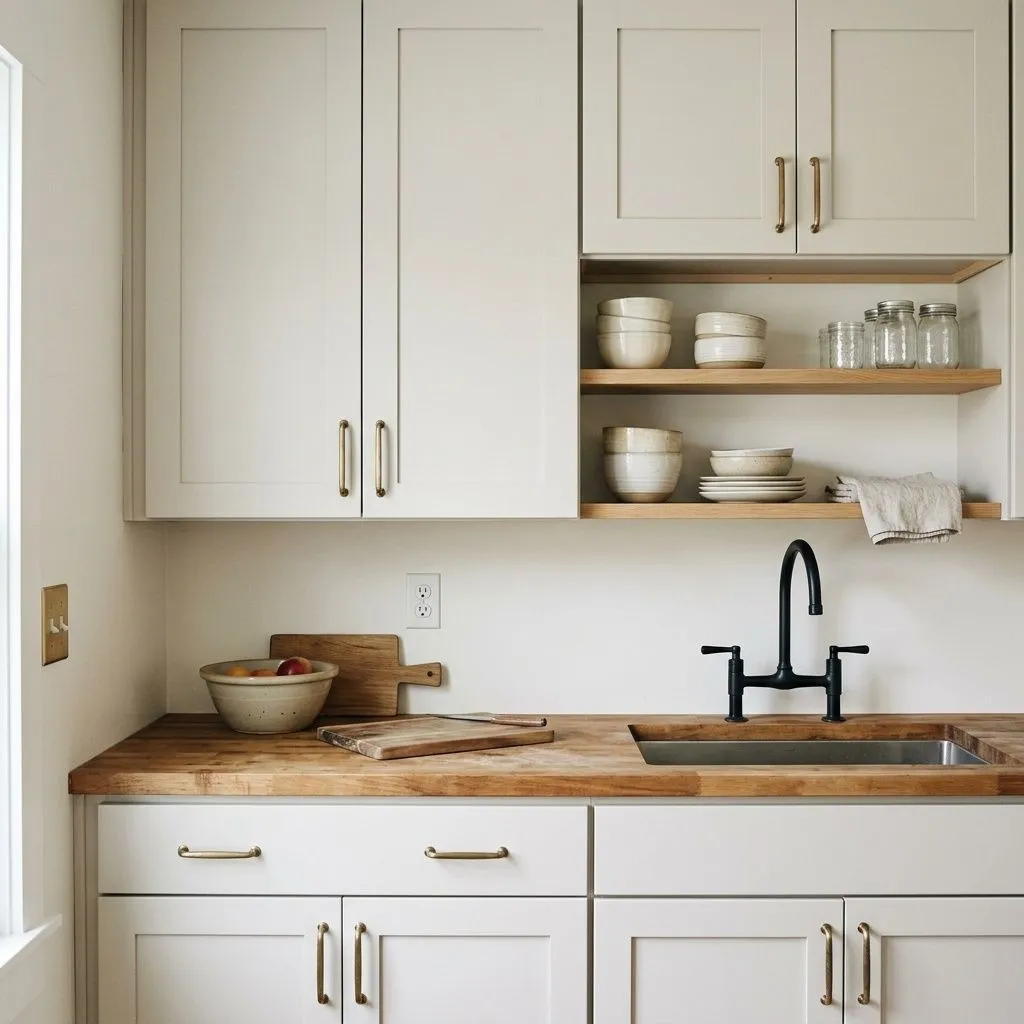
In kitchens, it is specifically praised on cabinets. It gives you a light cabinet without the harshness of a bright white, and in a warm-lit kitchen with wood counters or open shelving, it settles into a soft, tone-on-tone effect. Bathrooms benefit similarly: it reads airy without looking institutional. Bedrooms in south or west-facing orientations are a strong fit, because warm afternoon light plays to the color's best qualities. North-facing bedrooms are workable but worth sampling carefully, since the color can turn grayer and more pink-tinged in that light.
Exterior use is a point of disagreement in the research. Some reviewers call it a solid exterior choice with enough warmth to avoid the cool-white look many homeowners want to move away from. Others warn that the violet undertone becomes more visible at large scale on a full exterior, particularly on north-facing or shaded facades. If you are considering it outside, the strong advice is to test all four sides of the house, because the same color can look quite different on a sun-drenched south wall versus a shaded north elevation. Front doors in a contrasting dark navy, charcoal, or deep green are consistently recommended as the right accent to keep the overall look grounded.
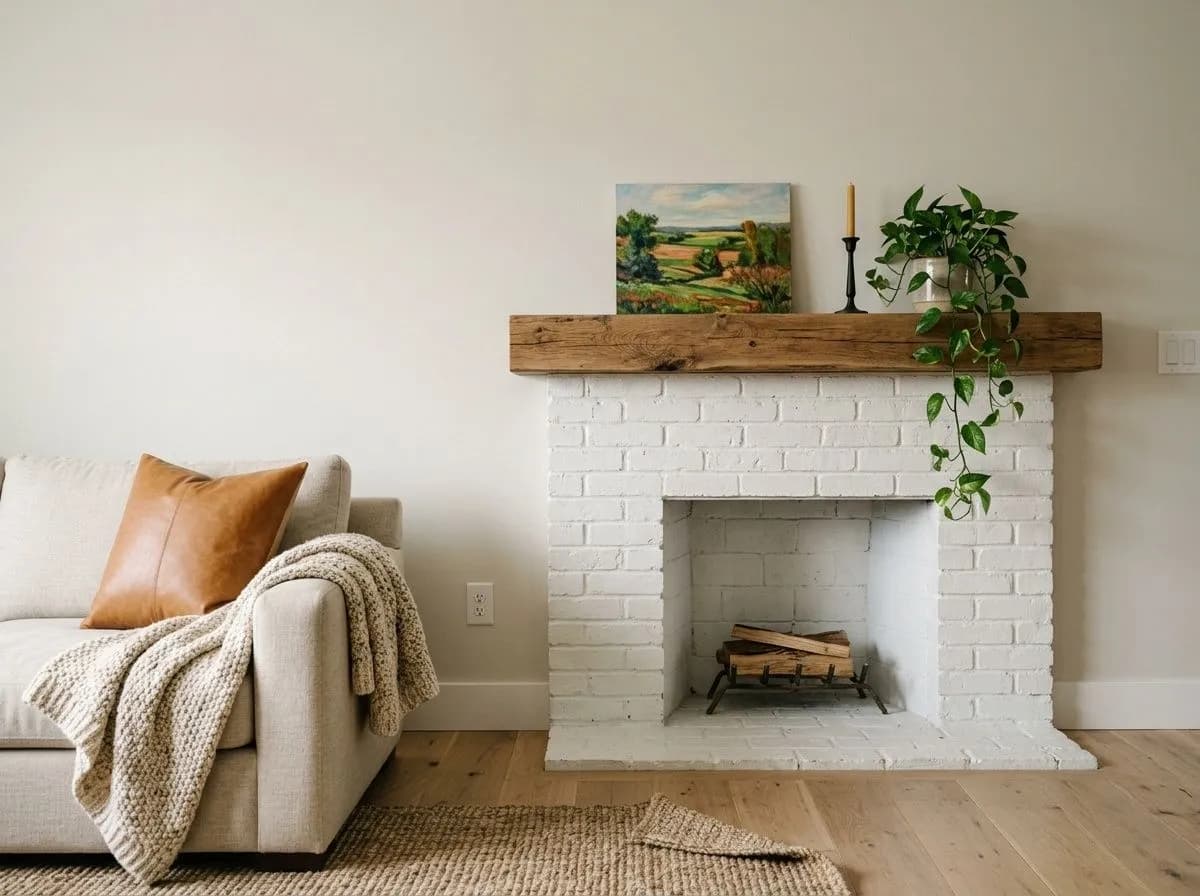
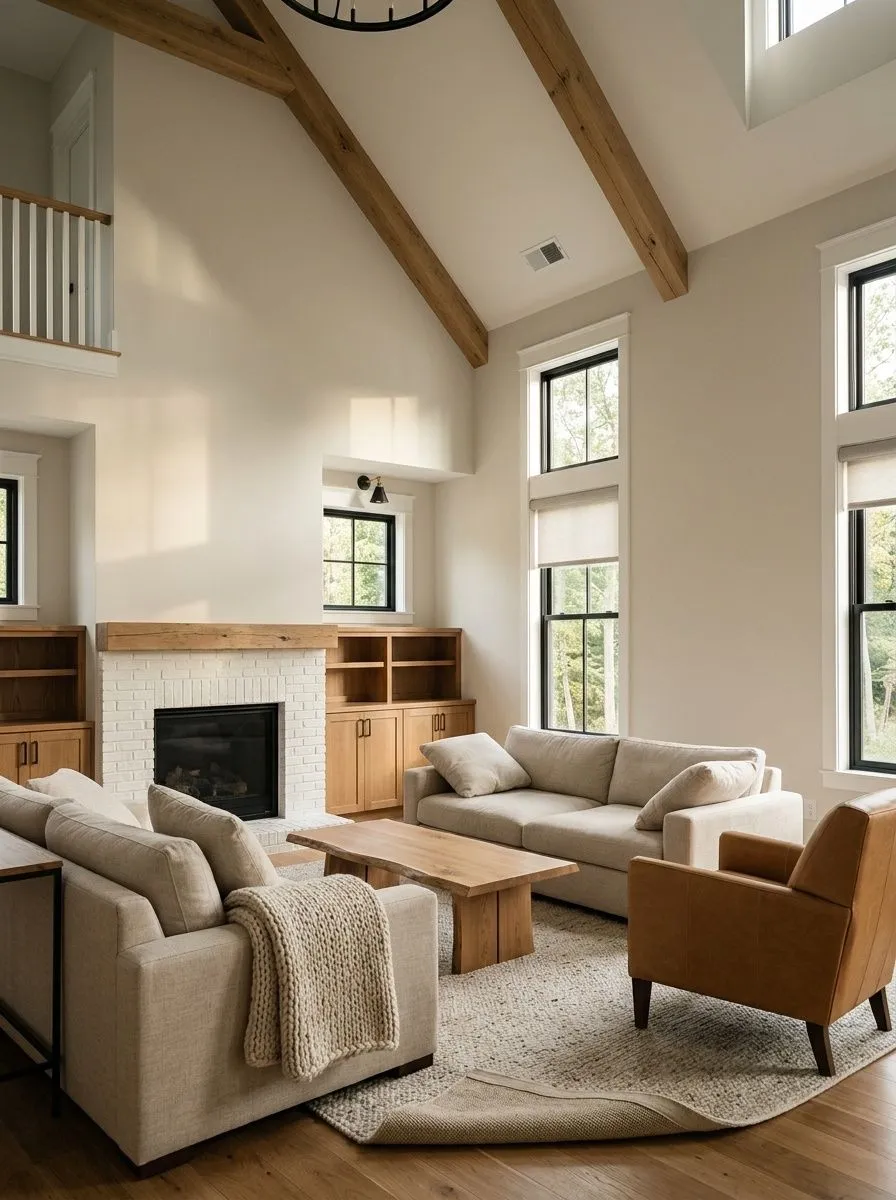
In a living room with mixed or warm light, Eider White holds its soft warm-gray character well and lets furniture and textiles do the work. It is neutral enough to take almost any accent color, from deep blues to ochre to dark green. Keep an eye on the north wall if your room has one, where the color can read slightly cooler and more pink.
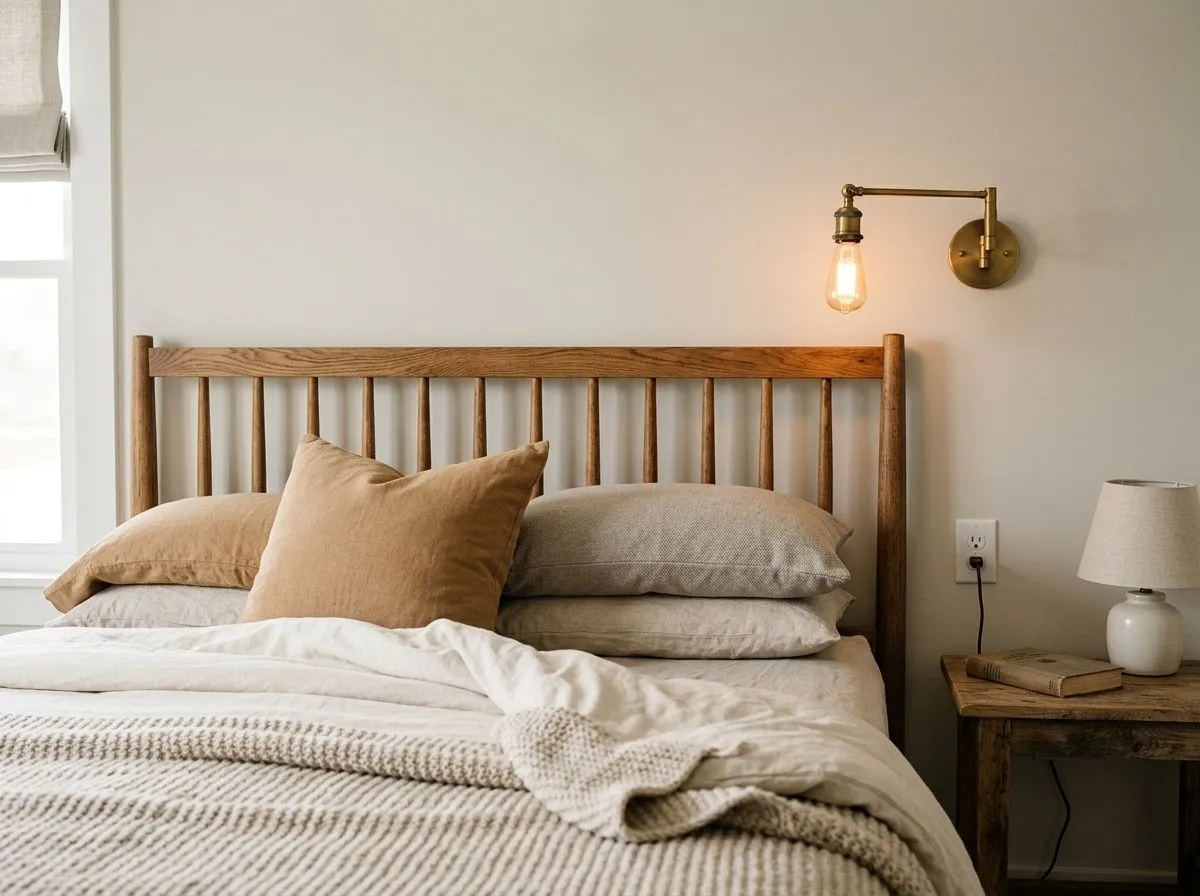
South and west-facing bedrooms are the sweet spot, where warm afternoon light pulls out the creamier side of this color and makes the space feel settled and calm. North-facing bedrooms will read grayer and cooler, and the pink undertone can come through more, so sample carefully before committing. Warm bedding and wood furniture help in any orientation.
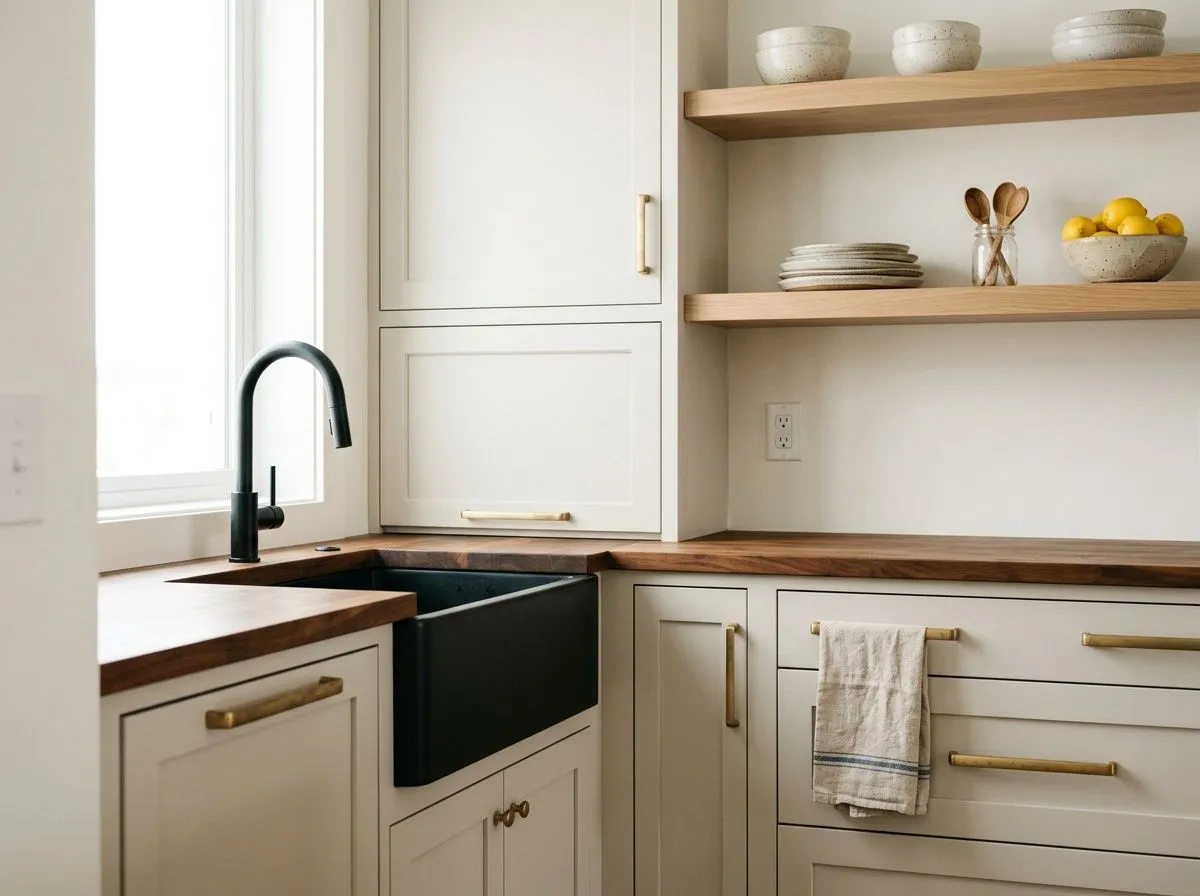
On cabinets, Eider White is a consistent favorite for homeowners who want a light kitchen without the stark brightness of a true white. It pairs especially well with warm wood accents, butcher block, or brass hardware, which work against the pink undertone. Cool stone counters or stainless appliances can push the lavender forward, so balance them with warmer elements.
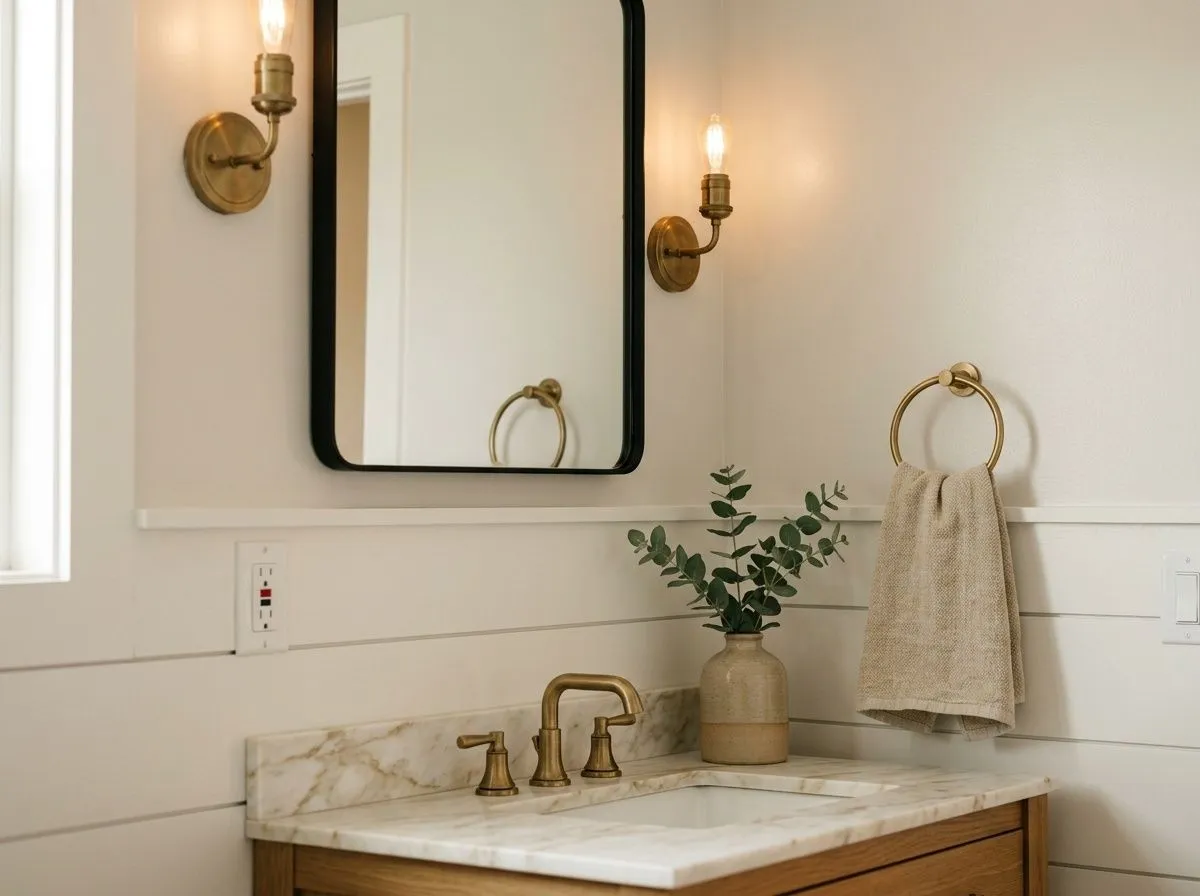
In bathrooms, the LRV of 73.2 keeps the space feeling light without the clinical glare of a high-LRV bright white. It works best with warm fixtures and natural materials. Cool tile or chrome in quantity can interact with the purple undertone, so test a sample in the actual bathroom before painting.
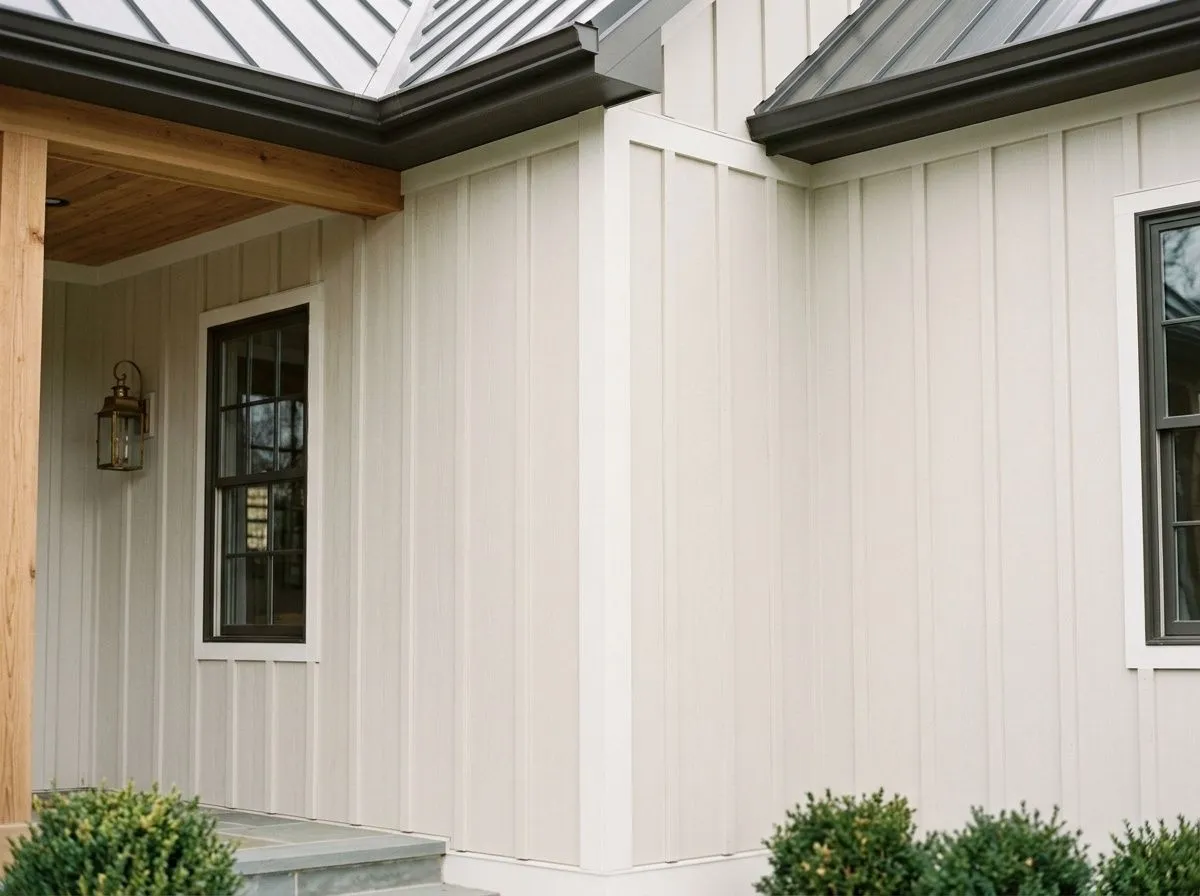
Eider White is listed as a top exterior color, and it reads as a softer, warmer alternative to stark white on facades. The caveat is that the violet undertone can be more prominent at exterior scale, especially on shaded sides. Test all exposures and pair with a crisp white trim and a dark or bold front door color to keep the exterior looking intentional.
Eider White coordinates well with both warm and cool accents, which gives it real flexibility as a whole-house base. For a tone-on-tone approach, Snowbound pairs naturally as a lighter, cleaner companion that keeps the warmth going without introducing contrast. Deeper grays, dark charcoals, and navy blues are specifically called out by reviewers as the best way to anchor Eider White because dark accents suppress the pink or lavender cast and let the warm gray read cleanly. Warm wood tones, natural linens, and matte black hardware all work in the same direction.
For trim, a crisp, brighter white is the standard move and it works well. Keeping trim a clear step lighter than the wall color gives the room definition without introducing jarring contrast. Soft accent colors in the teal, dusty blue, or sage family complement the warm-gray base nicely. Aqua-Sphere and Morris Room Grey both coordinate as deeper, more saturated options that speak to the gray undercurrent in Eider White without clashing with its warmth.
Every color in this stair hall traces back to a Sherwin-Williams match, so the whole scheme is shoppable from one palette. Three are real paint: Eider White wraps the walls and two-story envelope, Pure White covers the trim, risers, and wainscot, and Urbane Bronze unifies the railing, spindles, and pendant. The remaining four colors represent the room's materials, each shown as its closest Sherwin-Williams equivalent. Hover any pin or swatch to start pulling the look together.

All comparisons are matched against Eider White at LRV 73.2.
Eider White's warm gray base clashes with cool, blue-toned grays in open floor plans or adjoining rooms. The contrast highlights the pink undertone in Eider White and makes the transition feel off rather than complementary.
Pairing Eider White walls with a very cool, stark white trim, especially one with a blue or green undertone, creates a jarring contrast that makes the warm off-white wall look dingy or pink by comparison.
Large expanses of cool gray stone countertops, blue-veined marble, or cool porcelain tile in a kitchen or bathroom can activate the lavender undertone in Eider White and make the color look unintentionally purple.
Eider White SW 7014 is a soft, warm off-white that reads on the wall as a light warm greige with a gray base. It sits between a true white and a proper greige, light enough to feel open in most rooms but warm enough to avoid the cold quality of a bright or stark white. Its LRV is 73.2.
This is the most debated thing about Eider White, and reviewers genuinely disagree. The gray base reads first, but underneath it many people see a violet, soft purple, or pinkish cast. Others describe it as a warm taupe with pink hints. Some find it simply reads as a creamy neutral in warm light. The undertone is most visible in north-facing rooms, under cool or daylight bulbs, and against cool white trim or cool stone. Warm lighting and dark accents tend to suppress it.
It is primarily warm, with a gray-beige base, but the violet or pink undertone means it does not behave like a straightforwardly warm cream or beige. In warm light and warm-accented rooms it reads warm and settled. In cool light or north-facing rooms it can read cooler and more lavender-tinged. Most reviewers classify it as a warm gray off-white with an unpredictable cool undertone that shows up in certain conditions.
Eider White has an LRV of 73.2. That puts it solidly in the light range, bright enough to feel airy in most rooms but not so high that it reads as a true white. It can wash out a bit in very bright rooms and may feel slightly dim in rooms with minimal natural light.
The Sherwin-Williams color code is SW 7014. The hex value is #E2DED8 and the RGB values are 226 / 222 / 216.
Dark accents are the strongest pairing recommendation in independent reviews, specifically because deep navy, charcoal, or dark green help suppress the pink undertone and let the warm gray read cleanly. Warm wood tones, natural linen, and matte black hardware all work in the same direction. For trim, a bright but warm-based white keeps the room fresh without creating a cool-versus-warm clash. The coordinating colors Snowbound, Morris Room Grey, and Aqua-Sphere are all designed to work alongside it.
On cabinets it gets consistently good reviews, giving a soft, light look without the harshness of a stark white, especially paired with warm wood and brass. For exteriors, it is listed as a top exterior color, but reviewers warn that the violet undertone can be more visible at large scale, particularly on shaded north-facing walls. Test all four exposures before committing. On a front door it is less common as a bold choice, but dark front doors in charcoal, navy, or deep green are strongly recommended as accents when Eider White is the body color.