
MorningCreamy · settled warm white
A soft, creamy warm white with a subtle yellow pull and an LRV of 84.2, welcoming rather than crisp. See how it shifts across your light conditions.
SW Greek Villa reads as a soft, velvety warm white, the kind that feels welcoming rather than crisp or clinical. At LRV 84.2 it is genuinely light, but its pigment keeps it from registering as a stark true white on the wall. Expect something closer to cream than to bright white when you see it in person.
Light changes the story considerably. In a sun-filled south or west-facing room, Greek Villa pushes noticeably yellow and warm, sometimes to the point of washing out. In a north or east-facing room it finds its sweet spot: the built-in warmth counteracts the cool bluish light that makes stark whites look dingy, and the result is a cozy, settled white that feels intentional. On overcast days and in lower light, it goes creamier and a bit richer. Because it shifts this much, large sample swatches viewed morning through evening are not optional; they are essential.
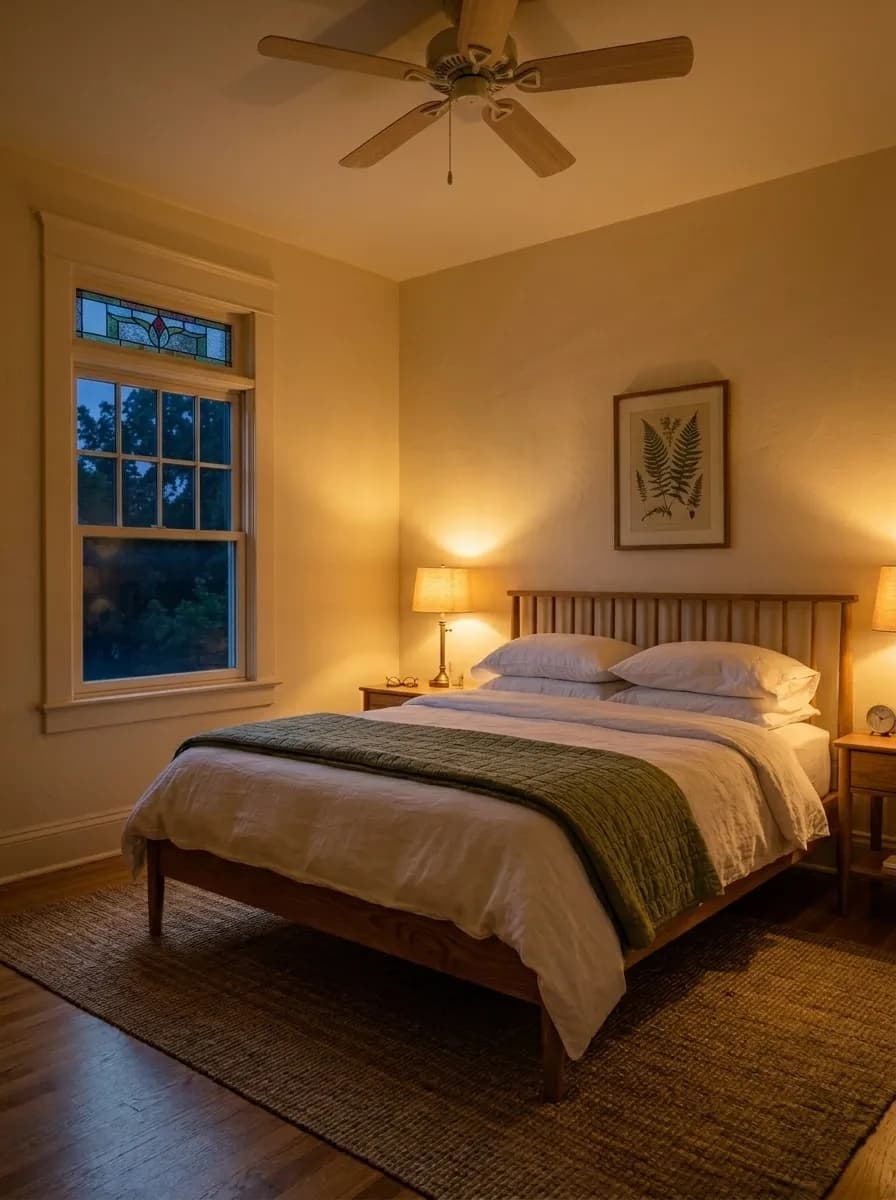
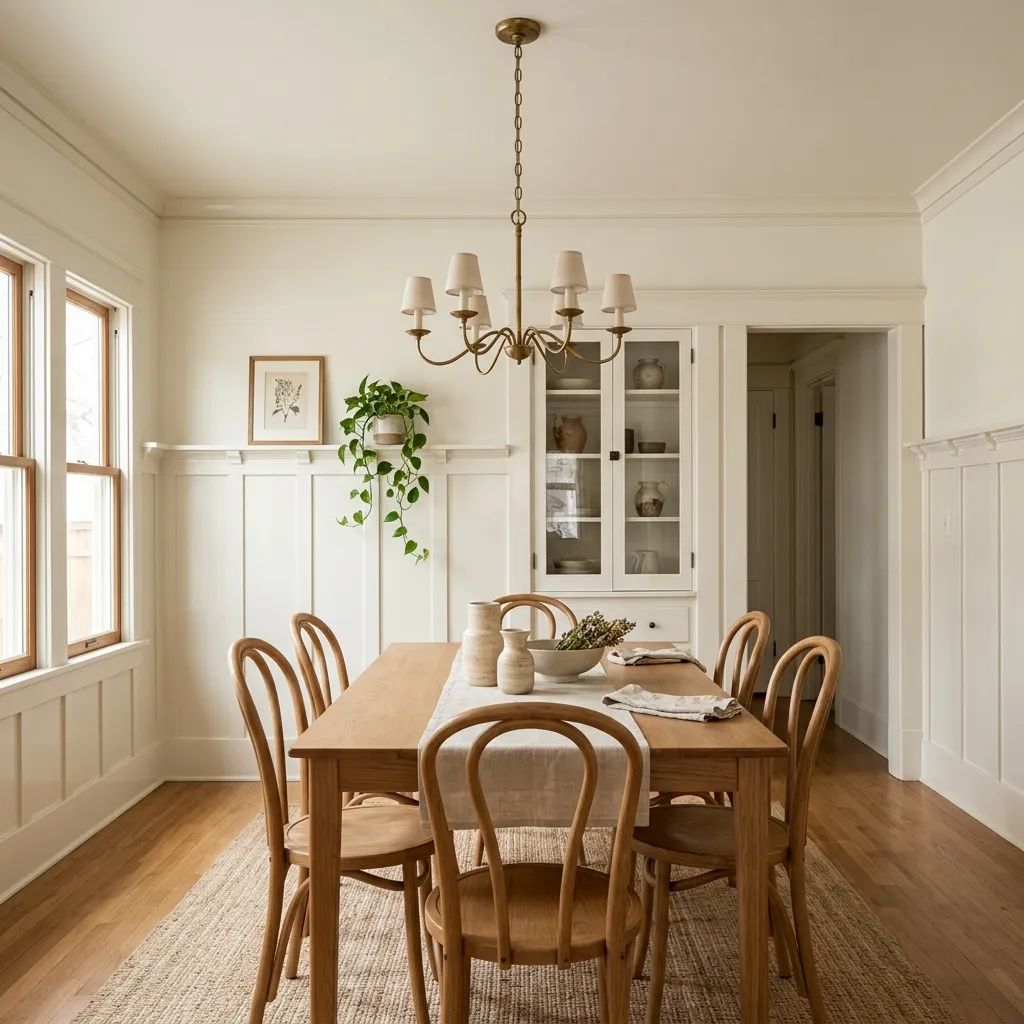
The dominant undertone in Greek Villa is a subtle yellow, and reviewers are clear that it is not always subtle about it. The warmth reads as yellow in direct or warm natural light, and some reviewers also describe a beige or orange-beige quality in certain conditions. It is not gray-based, and there is no cool or blue pull here at all.
Where the sources disagree is in how Greek Villa compares to its closest neighbor, Alabaster (SW 7008). Some reviewers say Greek Villa is actually less yellow than Alabaster and feels a touch cleaner. Others say Greek Villa leans more beige and orange-beige while Alabaster reads more purely yellow, and that Alabaster can even show a faint gray cast. The honest answer is that both colors are very close and the undertone winner depends on your specific lighting. What most sources do agree on: Greek Villa shifts more dramatically across the day while Alabaster stays more consistent, which matters a lot if your room sees varied light conditions.
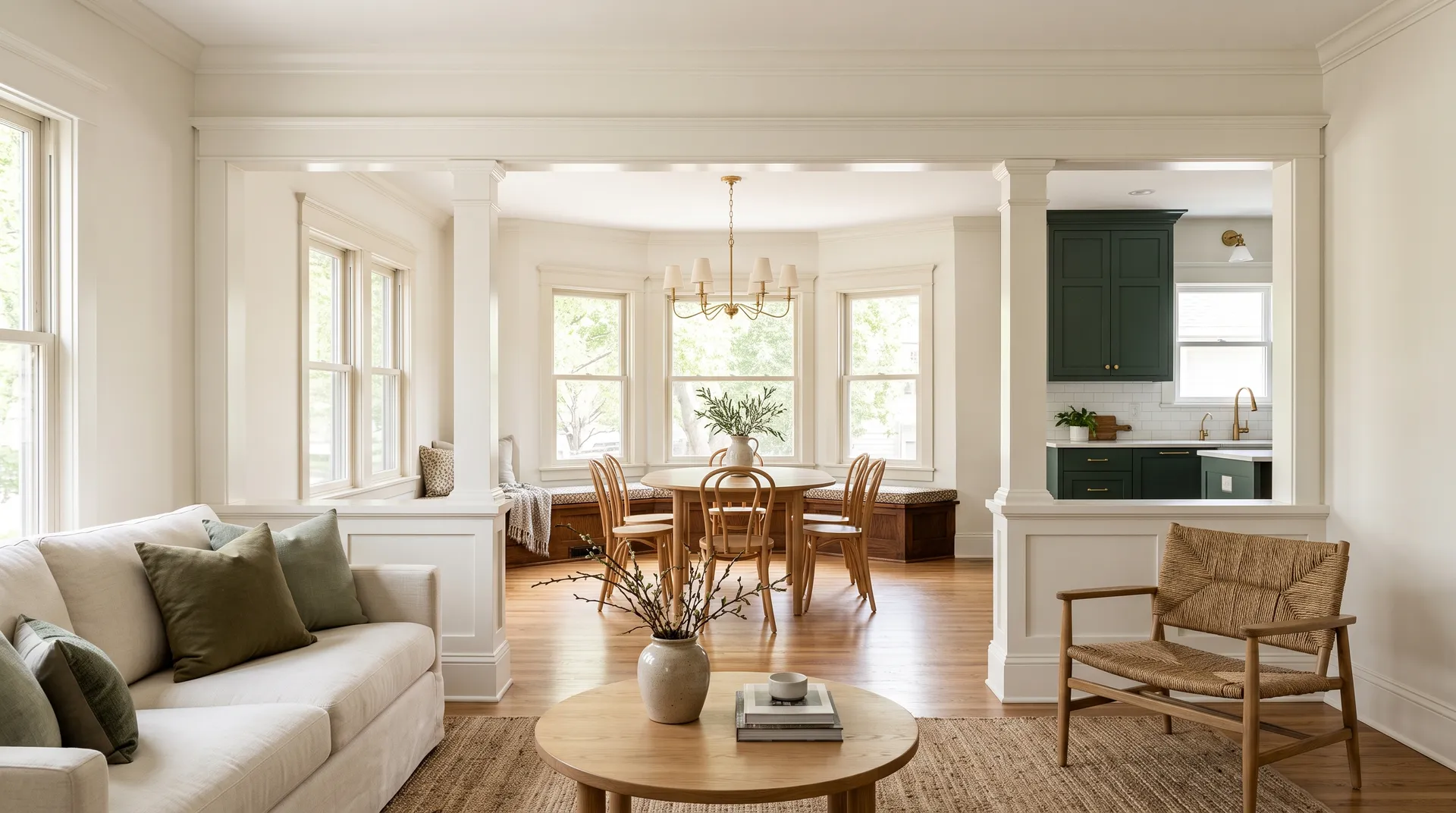
Greek Villa earns the most praise as a whole-house or open-concept color. Because it reads warm without being overtly yellow in moderate light, it flows well from room to room without feeling aggressive or inconsistent. Interior walls are the primary use case, and it works in both light-filled and lower-light spaces, though for different reasons.
Kitchen walls and kitchen cabinets are common choices, and it is also used on trim. One of the most repeated practical tips from reviewers: if you use Greek Villa on your walls, use it on the trim too at a higher sheen rather than switching to a crisper, cooler white. A brighter or cooler white trim placed next to Greek Villa exposes its yellow undertone and makes the walls read dingy by comparison. Ceilings should match the walls for the same reason.
On exteriors it holds up well and resists washing out in typical conditions, though south and west exposures will push it warmer and more yellow in strong afternoon sun. Reviewers also use it on stucco and trim. It is less commonly chosen for cabinets than some alternatives, but it does work there, particularly in kitchens with warm wood tones and natural materials where the creaminess feels at home.
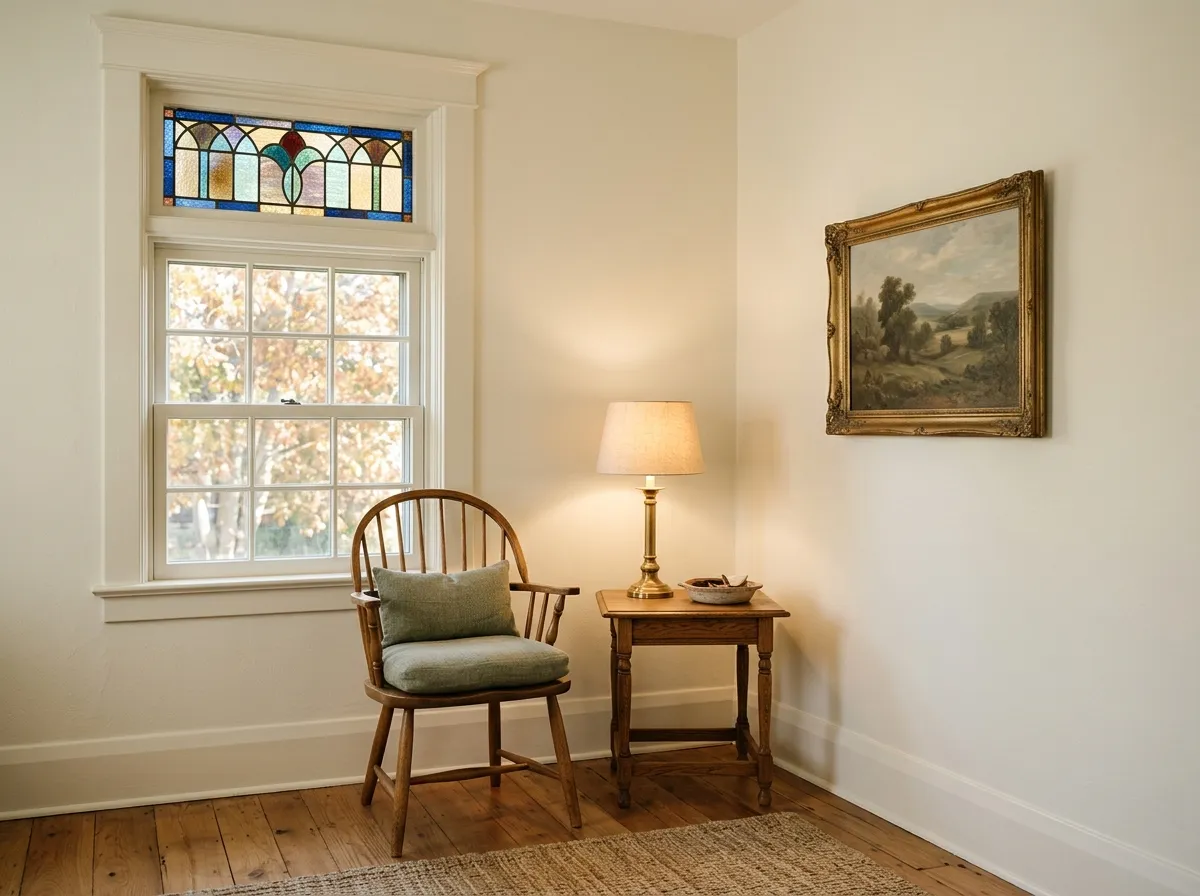
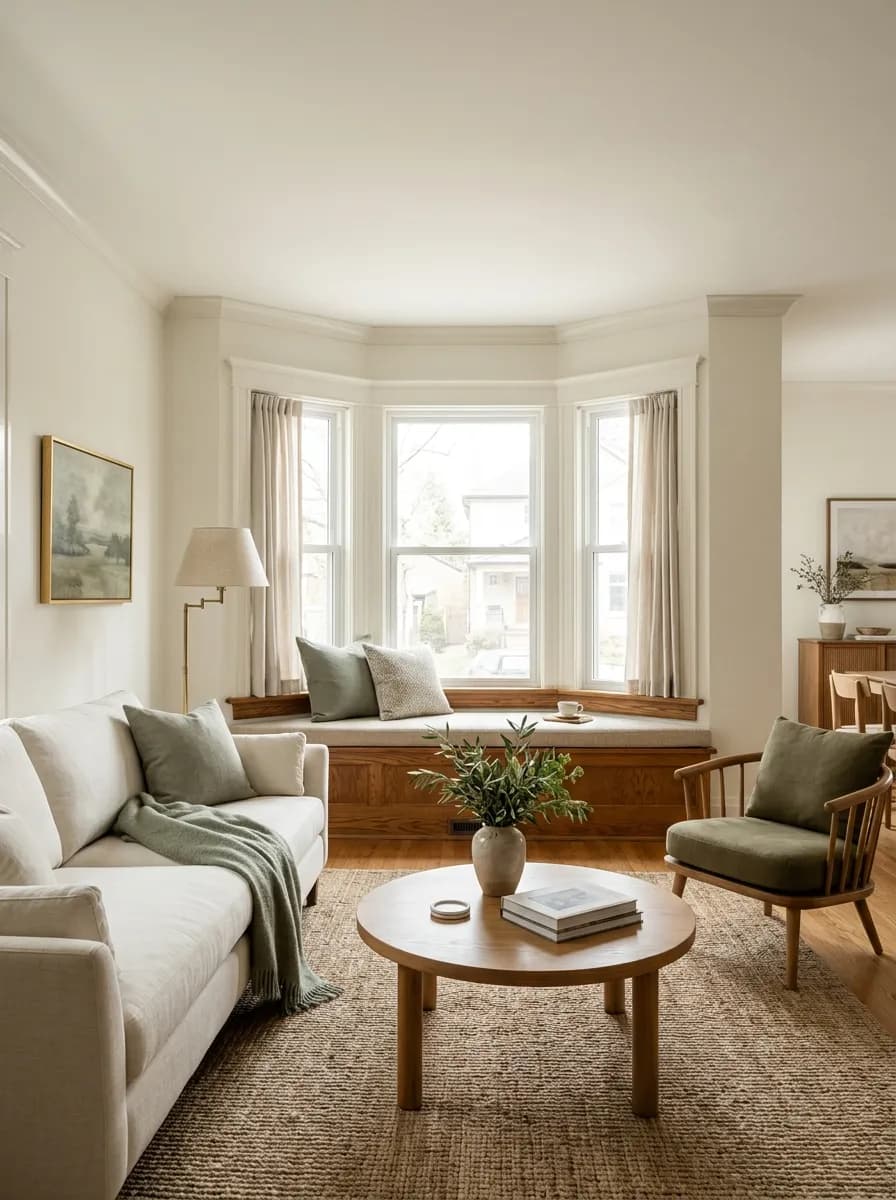
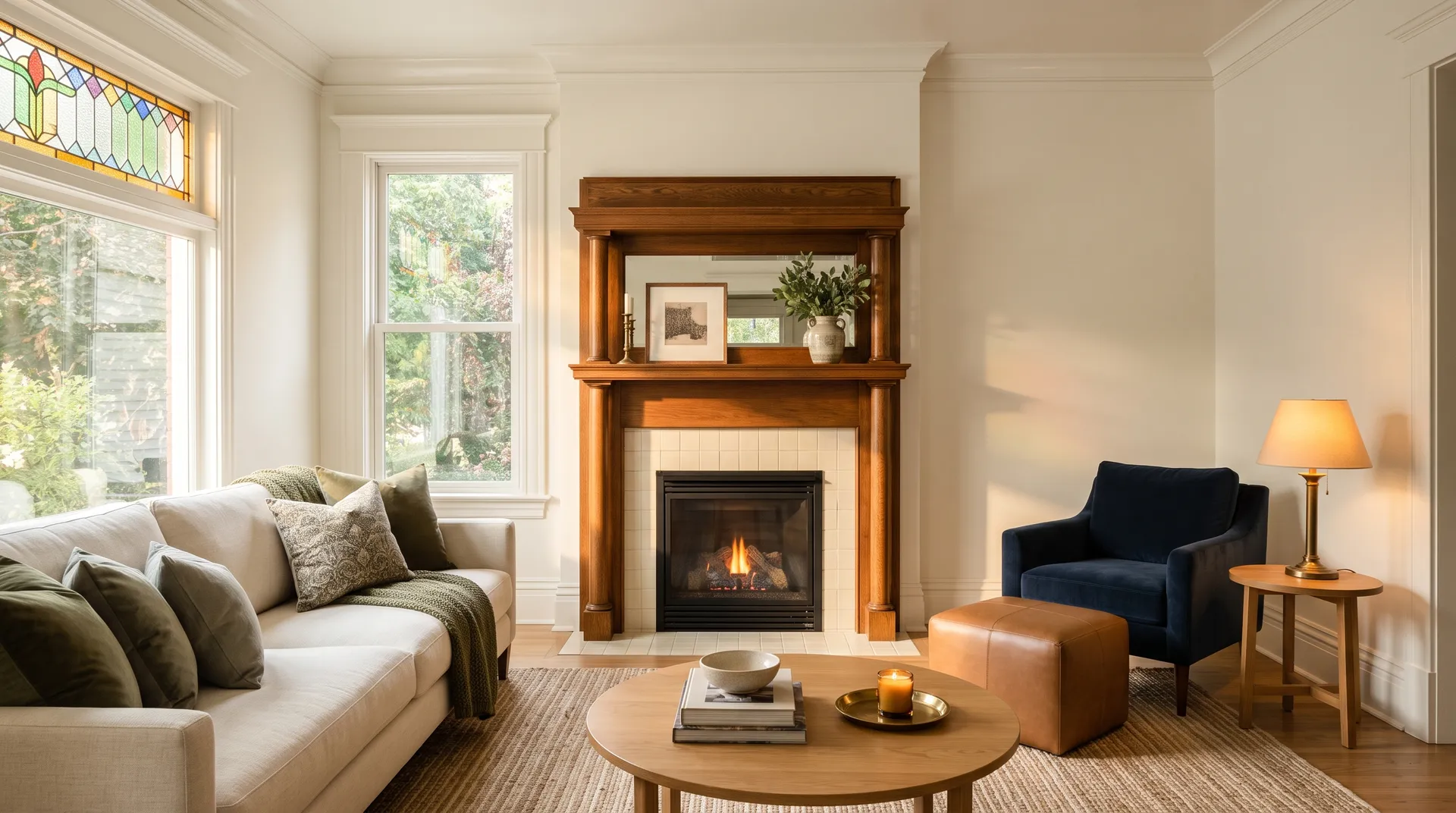
Greek Villa is one of the stronger whole-house choices you can make, and the living room is often where people start. It gives the space warmth without making it feel small or heavy. Keep trim in Greek Villa at a higher sheen rather than switching to a brighter white, or the walls will look off. Warm woods, woven textures, and a deep accent color like In the Navy (SW 9178) on a single wall or built-ins give the room some edge without fighting the softness of the white.
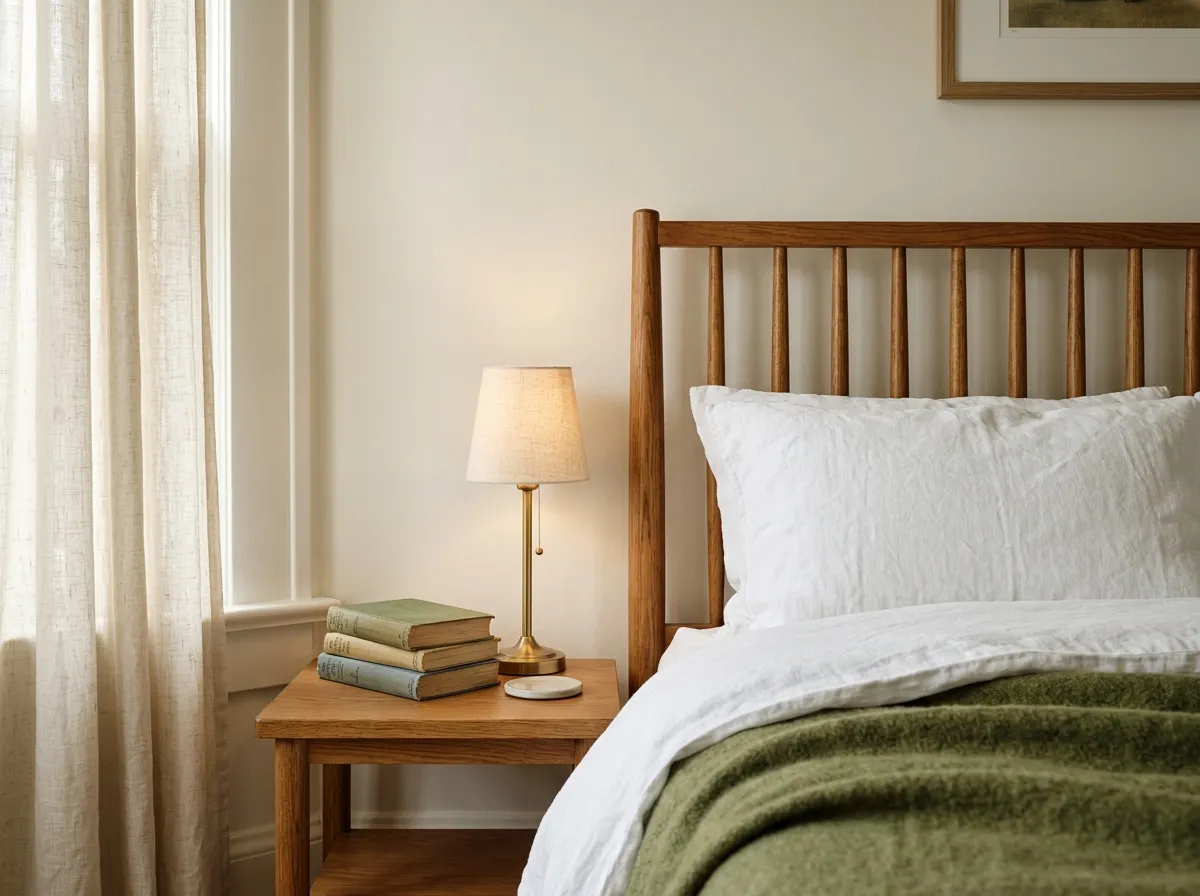
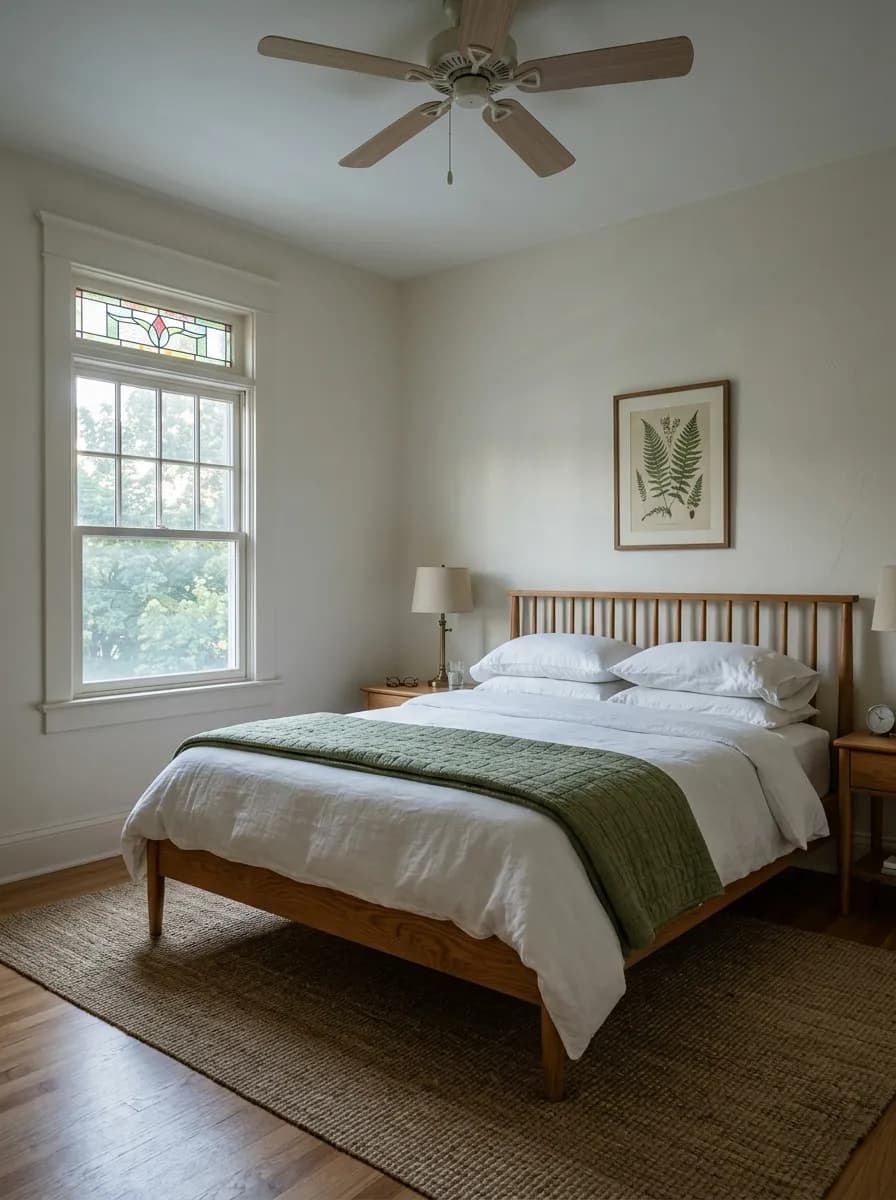
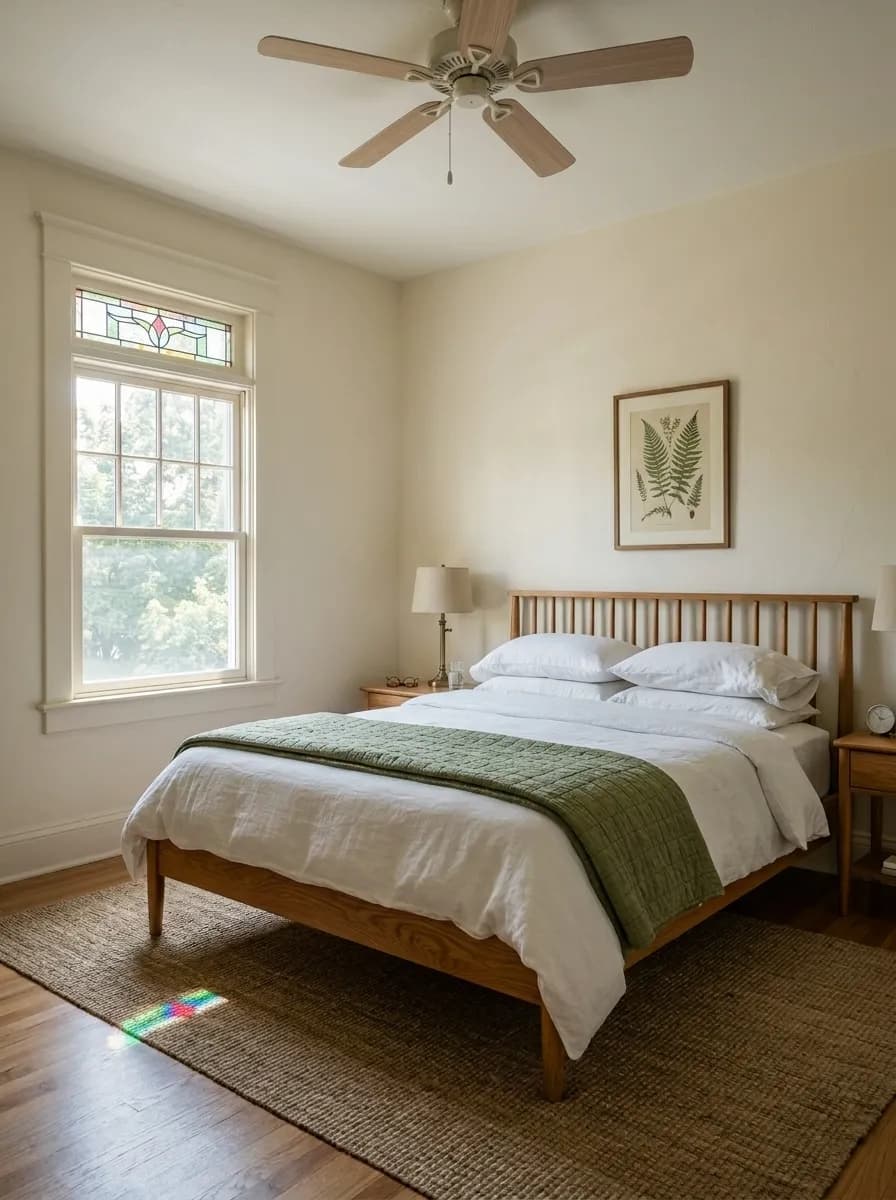
In a bedroom, especially a north or east-facing one, Greek Villa is a reliable choice. The warmth makes the space feel restful rather than cold, and at LRV 84.2 it keeps things light and open. In a room with heavy afternoon sun it can push yellow, so if your bedroom faces south or west, sample it carefully over a full day. Pair it with warm linen bedding and natural wood furniture and the creaminess reads as intentional and calm.
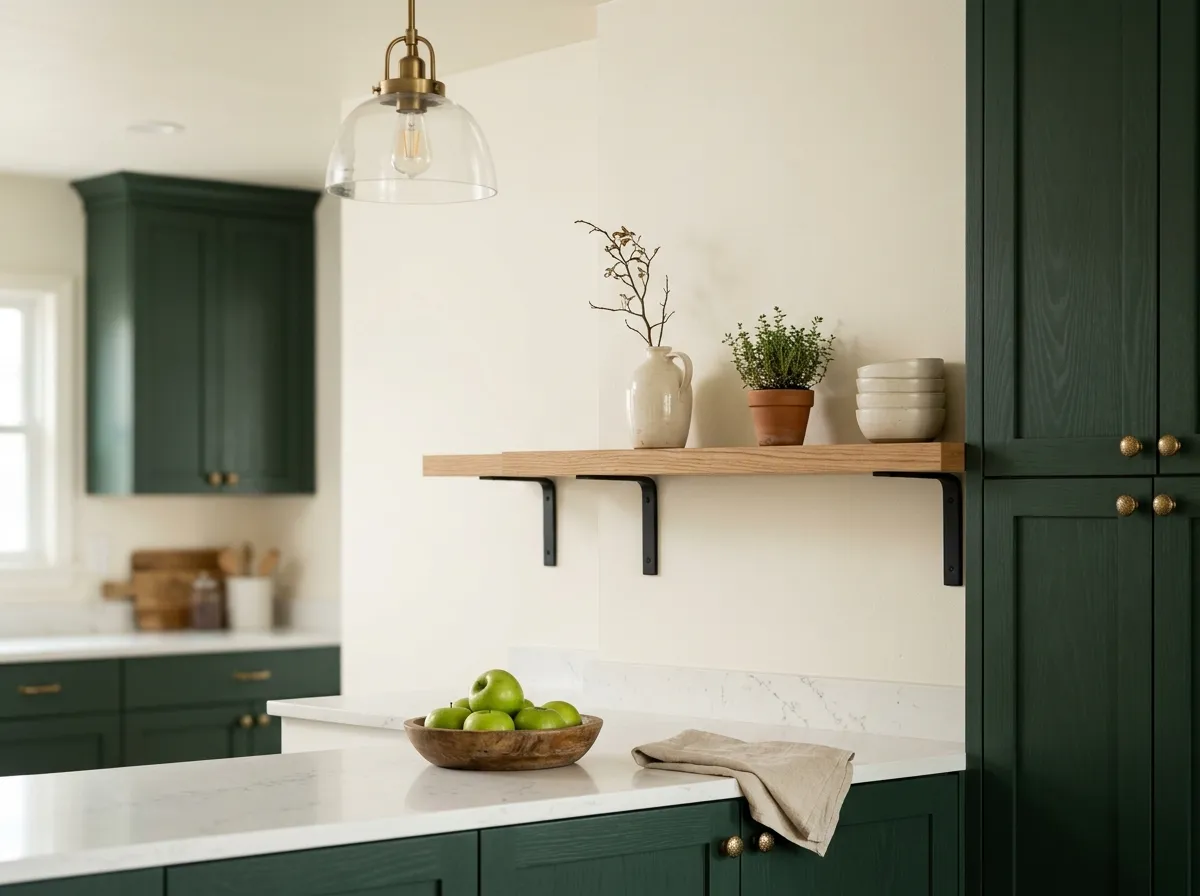
Greek Villa works on kitchen walls and cabinets, though it earns more consistent praise on walls. On walls it gives warmth and pairs well with travertine, butcher block, and warm hardware. On cabinets it leans creamy rather than crisp, so if your kitchen has cool-toned counters or stainless steel, sample carefully because the yellow undertone shows more in that contrast. Keep trim and upper cabinets in Greek Villa rather than a brighter white.
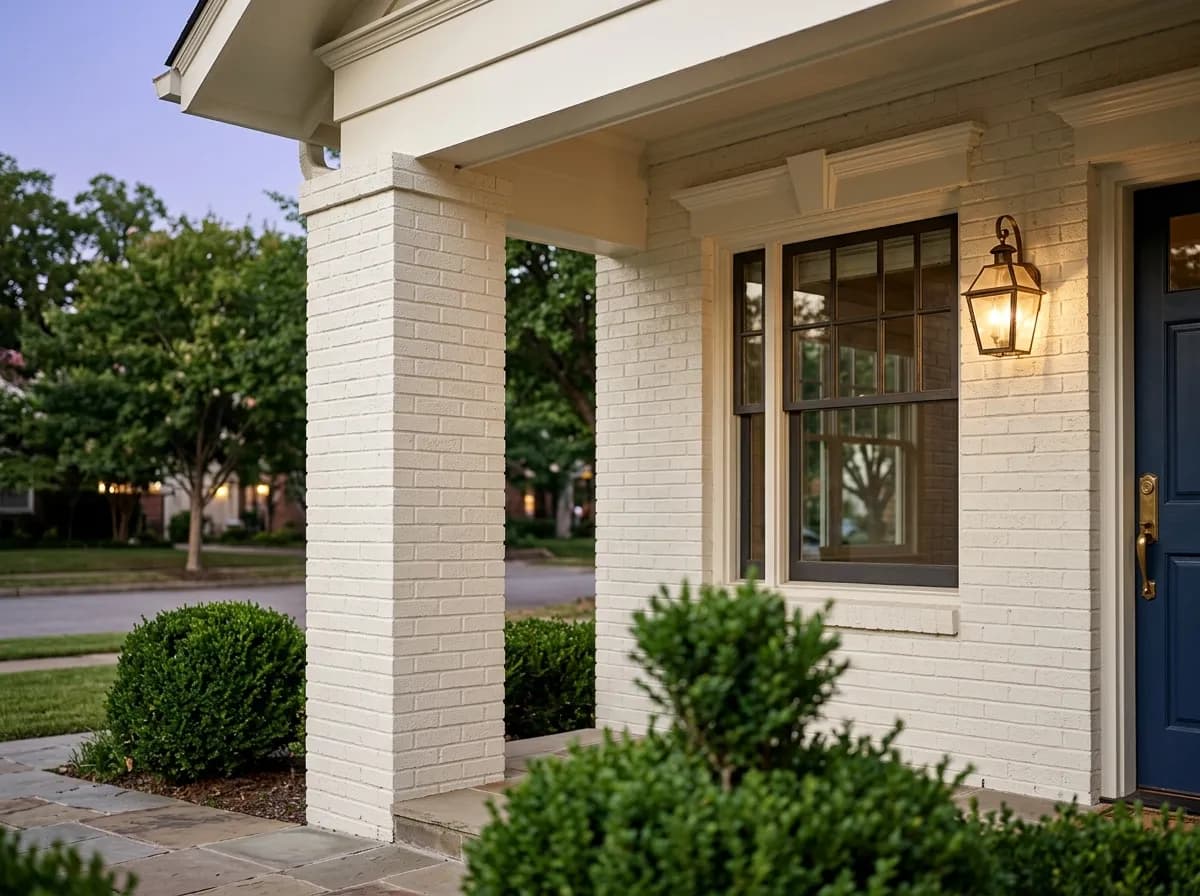
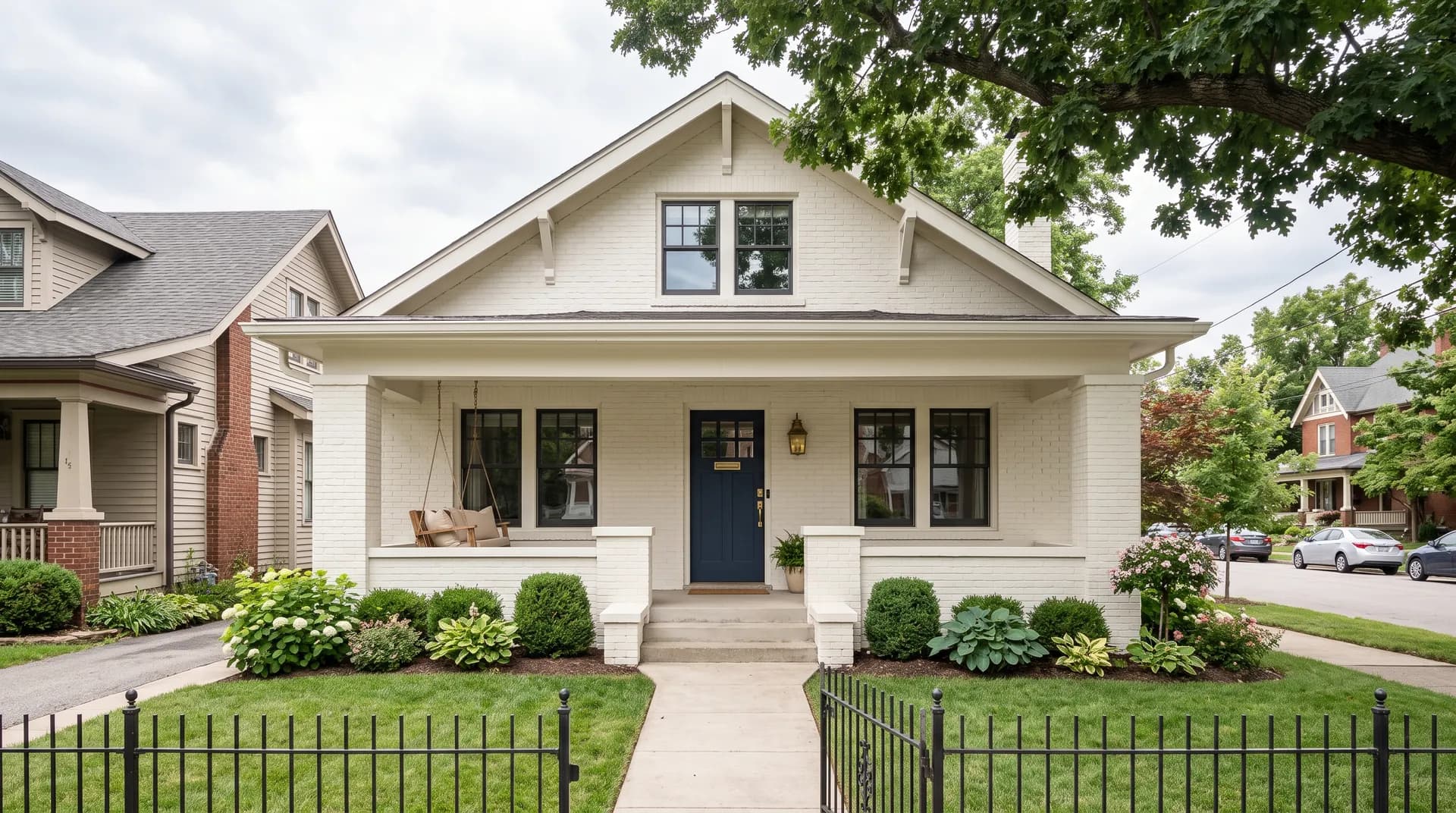
Greek Villa is listed among Sherwin-Williams top exterior colors for good reason. On siding and stucco it looks like a warm, settled white rather than a painted-yesterday bright white, which suits traditional, farmhouse, cottage, and Mediterranean styles well. In strong south or west sun it will lean warm and slightly yellow, which most homeowners in those climates find attractive rather than a problem. Pair it with a deep navy or black door and warm-toned trim for a clean, complete exterior look.
Greek Villa pairs naturally with warm, earthy, and organic materials: think travertine, warm wood tones, natural linen, and light creamy taupe. It also takes well to contrast. Illusive Green (SW 9164) brings a muted, organic green-gray beside it that feels grounded and fresh without competing, a natural fit for a living room or bedroom accent wall. In the Navy (SW 9178) gives you real contrast, a deep rich navy that makes Greek Villa read bright and airy by comparison, and works especially well on a front door, built-ins, or a kitchen island.
Beyond those two anchors, light-to-mid warm greens, modern beiges, and warm grays complement Greek Villa without triggering its yellow undertone the way cool whites and cool grays can. If you are adding dark accents, black and deep cool blues both play well against it.
Pulling this whole warm, earthy living room together starts with knowing exactly what you are shopping for, and this palette gathers all seven colors in one place as Sherwin-Williams references. One of the seven is actual paint, Greek Villa, rolled onto the walls, trim, and ceiling as a full envelope. The remaining six are the room's furnishings and materials, each matched to its closest Sherwin-Williams equivalent. Hover any pin or swatch to identify a specific color.
All comparisons are matched against Greek Villa at LRV 84.2.
Placing a crisp, cool, or bright white trim color next to Greek Villa walls is the most common complaint reviewers raise. The contrast exposes Greek Villa's yellow undertone and makes the walls read yellow or dingy rather than creamy and warm.
Cool gray paint or cool-toned gray tile placed beside Greek Villa pulls its yellow undertone to the surface. The two colors fight each other and Greek Villa ends up looking warmer and more off-color than you intended.
Strong direct sunlight, especially from the south or west in the afternoon, pushes Greek Villa into noticeably warm yellow territory. In rooms dominated by that kind of light it can feel too warm or heavy rather than softly creamy.
Greek Villa (SW 7551) is a soft, warm off-white with a creamy, velvety quality. It reads neither bright nor stark. On the wall it looks like a warm white with a subtle golden-cream quality, warmer and cozier than a true white but lighter and less saturated than a beige. Hex is #F0ECE2, RGB is 240/236/226.
The primary undertone is a subtle yellow. In direct or warm natural light the yellow becomes more visible, and some reviewers also describe a beige or orange-beige quality. There is no gray or cool pull. The warmth is what keeps Greek Villa from feeling cold or clinical, but it also means it can look distinctly yellow next to cooler or brighter whites.
Greek Villa is warm. It has no cool, blue, or gray qualities. Its warmth comes from a yellow-golden undertone that intensifies in bright natural light and softens in lower light. If you are looking for a cooler off-white at a similar LRV, Cold Foam (SW 9504) sits at LRV 84.0 and leans green-cool instead.
Greek Villa has an LRV of 84.2. That puts it firmly in the light range, close to but not quite as light as some of its neighbors like Westhighland White at LRV 85.8. Despite that high LRV, its warm pigment makes it read creamier and less bright than a neutral white at the same reflectance value.
The Sherwin-Williams color code is SW 7551. The hex is #F0ECE2 and the RGB values are 240/236/226.
They are very close and the differences are mainly visible side by side. Greek Villa has an LRV of 84.2 versus Alabaster's 82.2, so Greek Villa is slightly lighter and brighter. On the undertone question sources disagree: some say Greek Villa is less yellow and feels a touch cleaner than Alabaster; others say Greek Villa leans more beige and orange-beige while Alabaster reads more purely yellow. The clearest consensus is that Greek Villa shifts more noticeably with changing light while Alabaster stays more consistent, which can matter in rooms where natural light varies a lot across the day. Swatching them together in your actual space is the only reliable way to choose.
It earns strong marks for exteriors on siding, stucco, and trim, where its warm creamy quality suits traditional, cottage, farmhouse, and Mediterranean styles well. For front doors, Greek Villa as a body color pairs well with a deep navy or black door rather than serving as the door color itself. On cabinets it is used but less commonly recommended than some alternatives, because the yellow undertone is more exposed in the strong light and contrast of a kitchen. If you want the same warm-white family on cabinets with a slightly less yellow read, Alabaster (SW 7008) or a warm creamy white with a beige lean might be a steadier choice.