
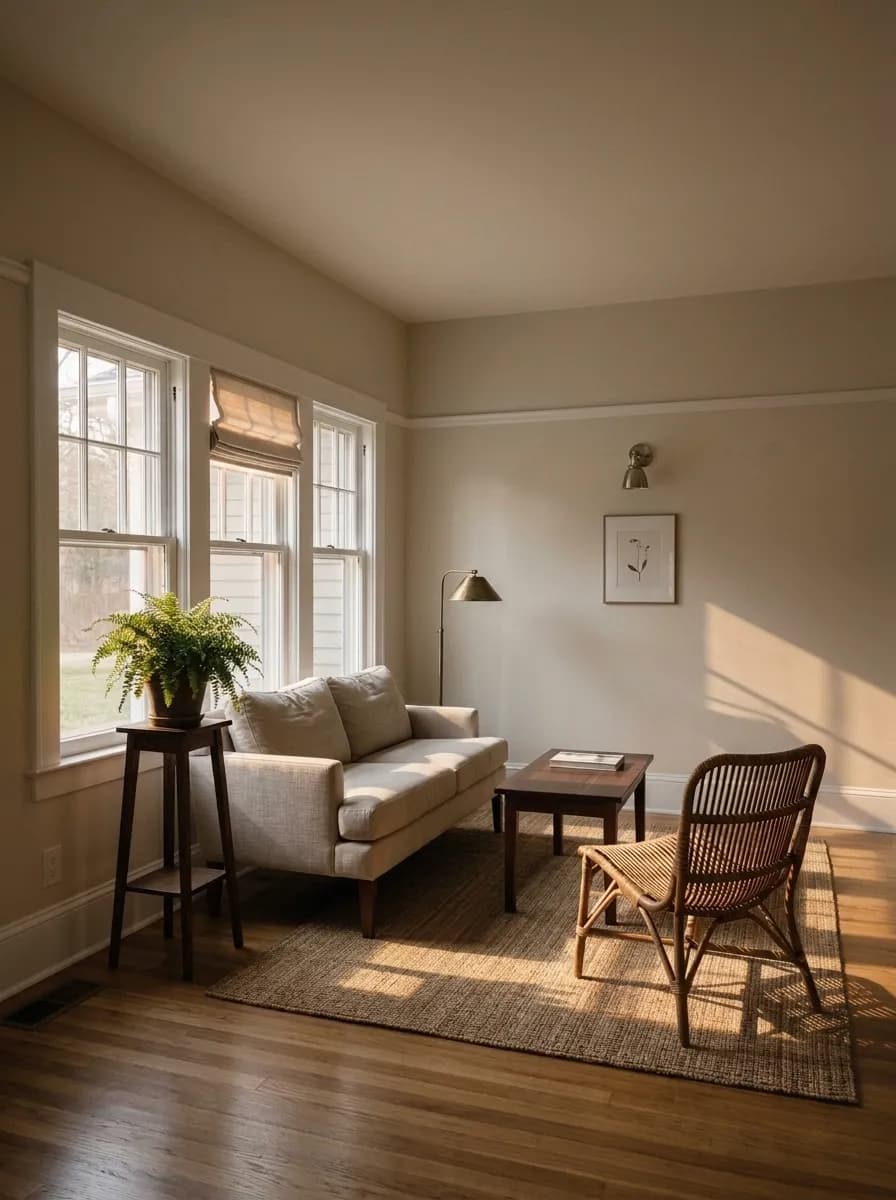
MorningWarm · creamy greige reads
A soft, hazy greige with warm and pearl undertones, Pearly White sits comfortably between cream and gray without fully committing to either. Sample it in your own light before you decide.
Sherwin Williams Pearly White is not a true white. On the wall it reads as a soft creamy gray, a color reviewers consistently describe as greige with warmth rather than a clean or crisp white. The base reads like diluted cream, but a persistent gray component mutes that warmth and keeps it from ever tipping buttery or yellow. That restrained, slightly hazy quality is the defining visual character, and it is why this color feels livable rather than stark.
With an LRV of 77.3 it sits toward the higher end of the off-white range, meaning it is genuinely light but soft-edged. It does not bounce light the way a high-LRV bright white would. Instead it absorbs just enough to feel cozy and dimensional on a large wall. In average natural light that warm greige quality is at its most readable. Push it into very bright rooms and it can wash out, losing the warmth that makes it interesting. In very low light the low chroma can tip slightly dingy rather than intimate, so rooms with moderate, balanced light are its natural home.
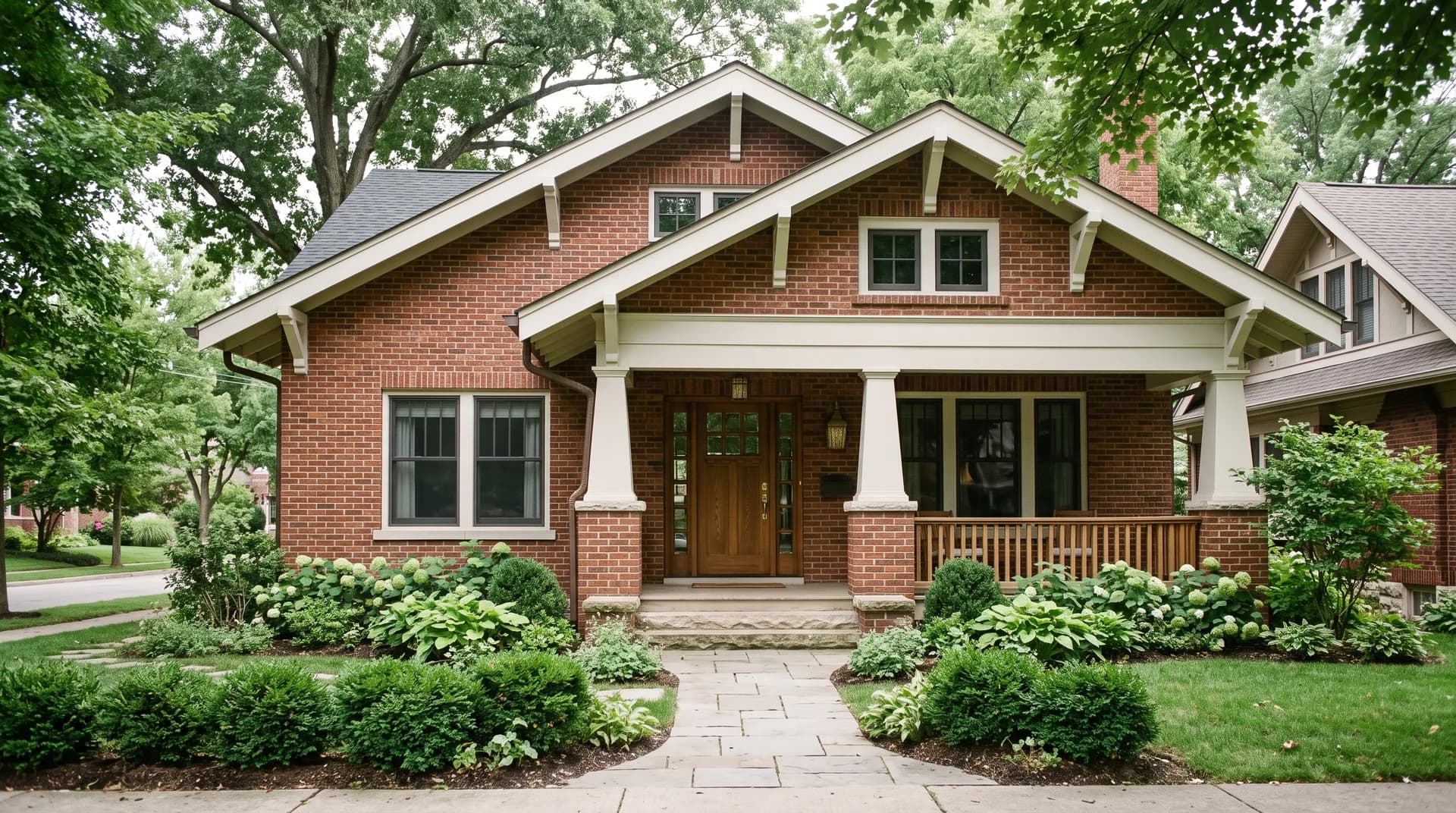
On exteriors the yellow component tends to read a bit stronger than it does inside, giving it a warmer, creamier personality in direct sun. As exterior trim on red brick it performs especially well, the warmth harmonizing rather than competing with the masonry tones.
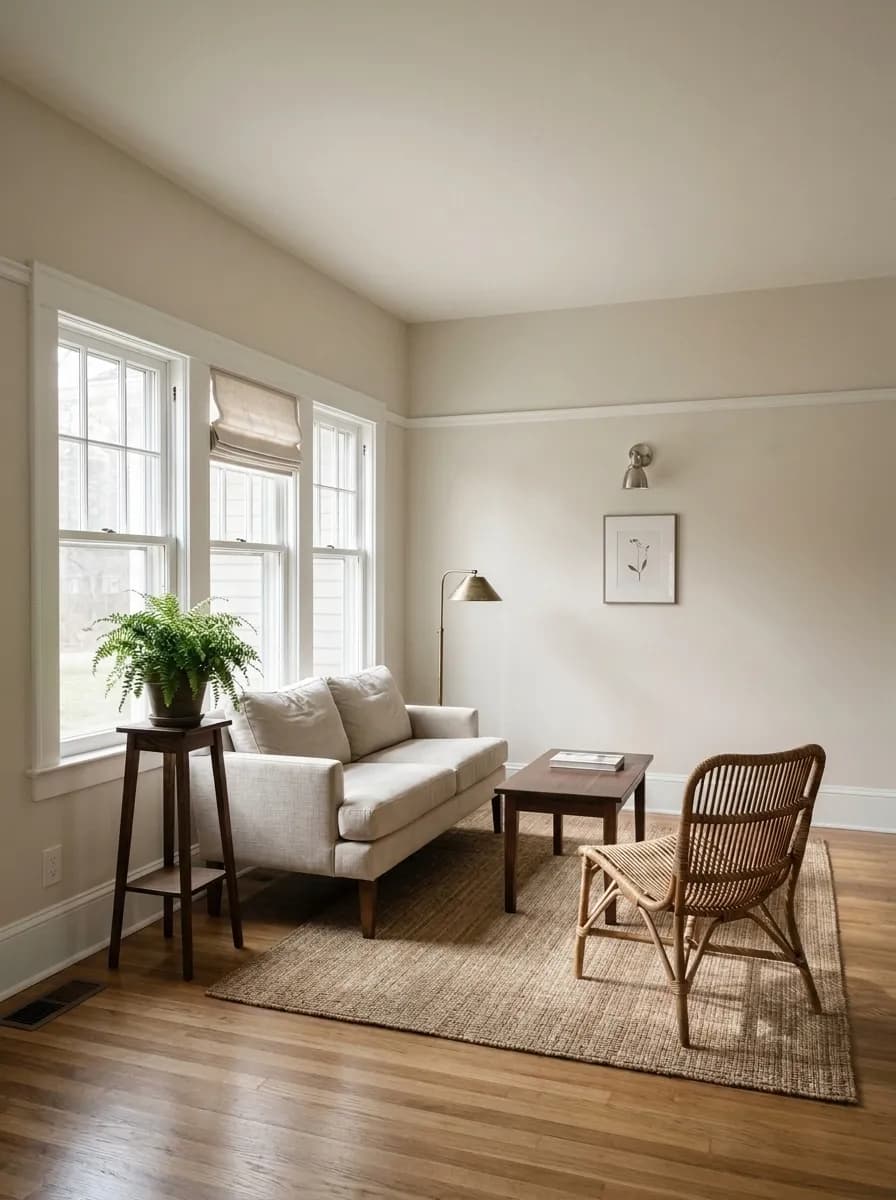
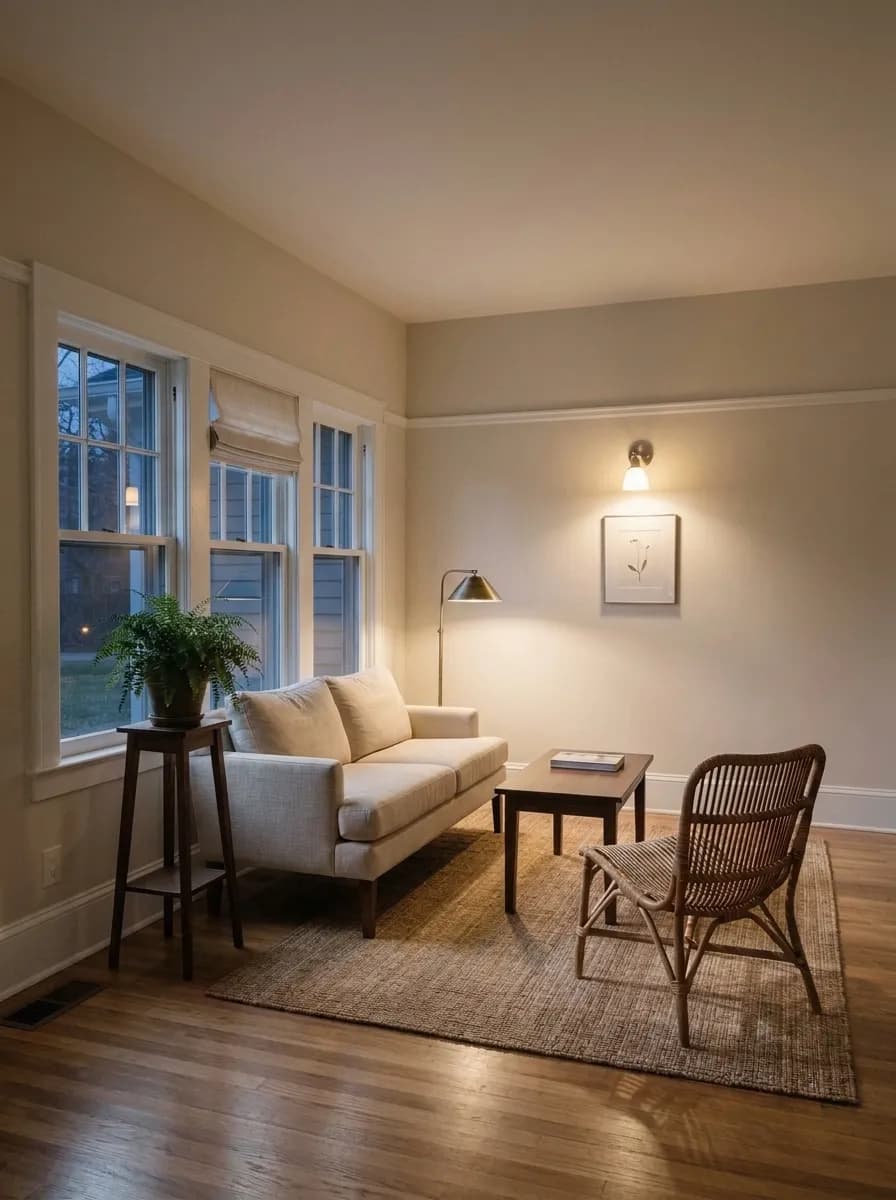
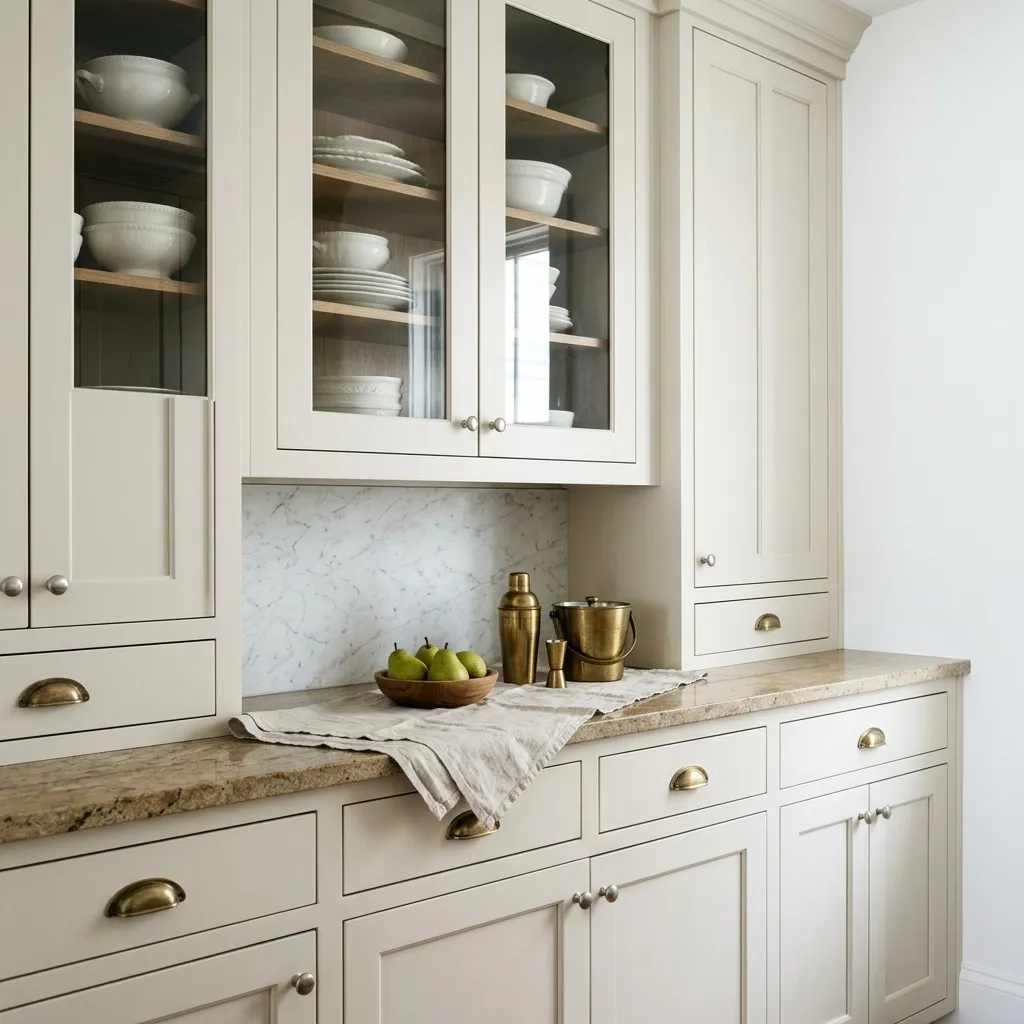
The undertone story on Pearly White is genuinely contested, and that disagreement is worth knowing before you commit. The most common read is a soft, warm gray leaning slightly toward beige or cream, a classic greige character. Many reviewers also notice faint pink or peach tones that emerge in warm artificial light, particularly incandescent or warm LED sources. In cooler or shadowed conditions a faint green has been reported too, making it more chameleon-like than a simple warm white typically is.
A dissenting view pushes back on the pink reading entirely. Some designers describe its undertone as a nearly invisible soft green that reads warm without pulling yellow, and they argue it stays stable without shifting pink even in dim rooms. That puts reviewers in two clear camps: one camp finds it responsive and light-sensitive, the other finds it reliably calm and stable across conditions. Both descriptions come from real-world observation, which means your specific lighting environment will determine which camp you land in.
Our editorial read aligns with the warm, pink, and pearl characterization, but the practical advice is the same regardless: sample this color in the actual room, under both your daytime natural light and your evening artificial sources, before you paint a full wall. A paint chip alone will not tell you which version of Pearly White you are going to live with.
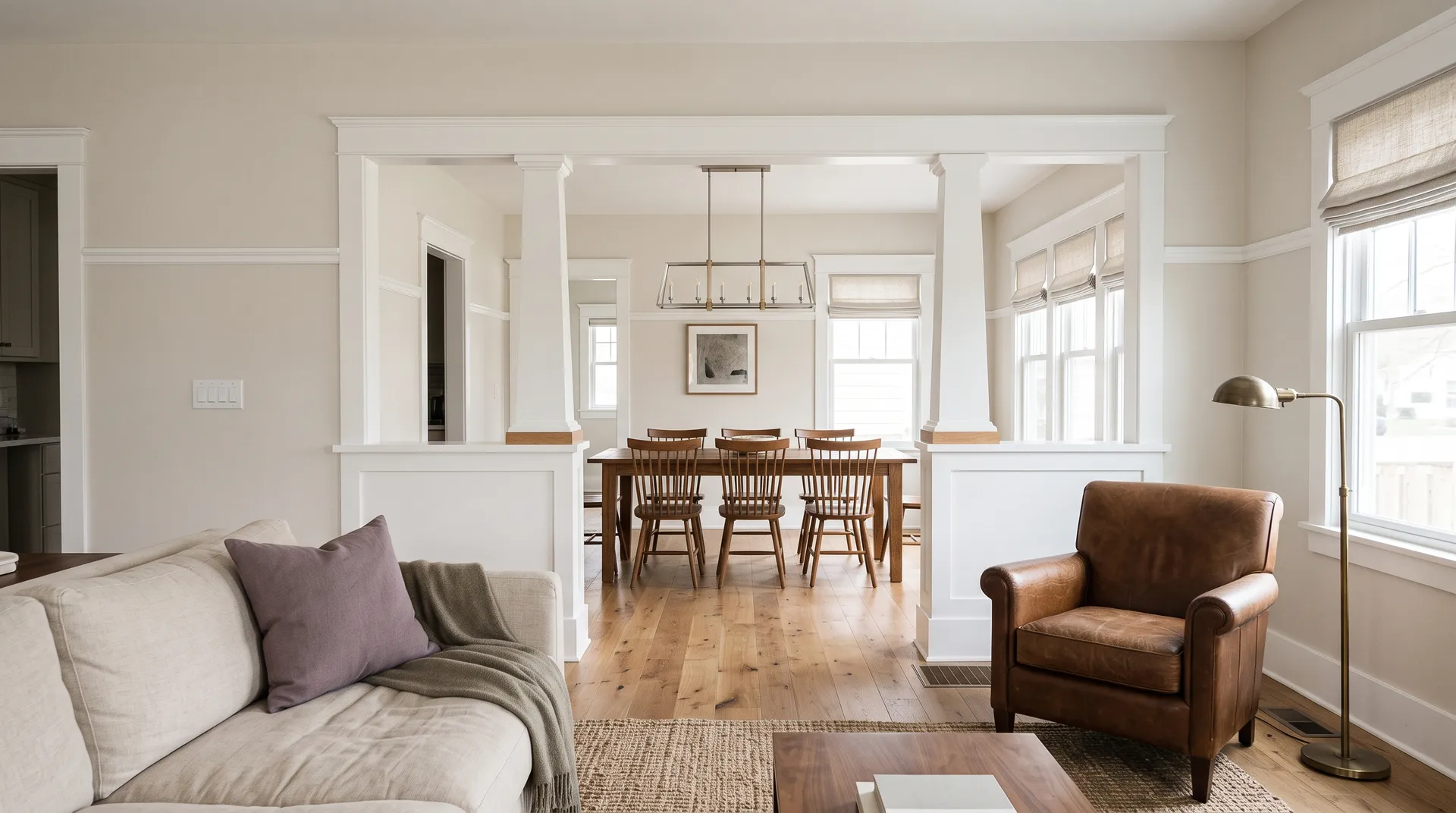
Pearly White earns its place as a whole-home warm neutral. Bedrooms are a natural fit because the soft greige-cream feels restful without being cold, and the moderate LRV of 77.3 keeps the room feeling open rather than cavelike. Bathrooms, particularly spa-style or traditional ones, are another strong application. The pearl quality in the name shows up most clearly in rooms with soft or diffused light, where the color reads as clean but not clinical.
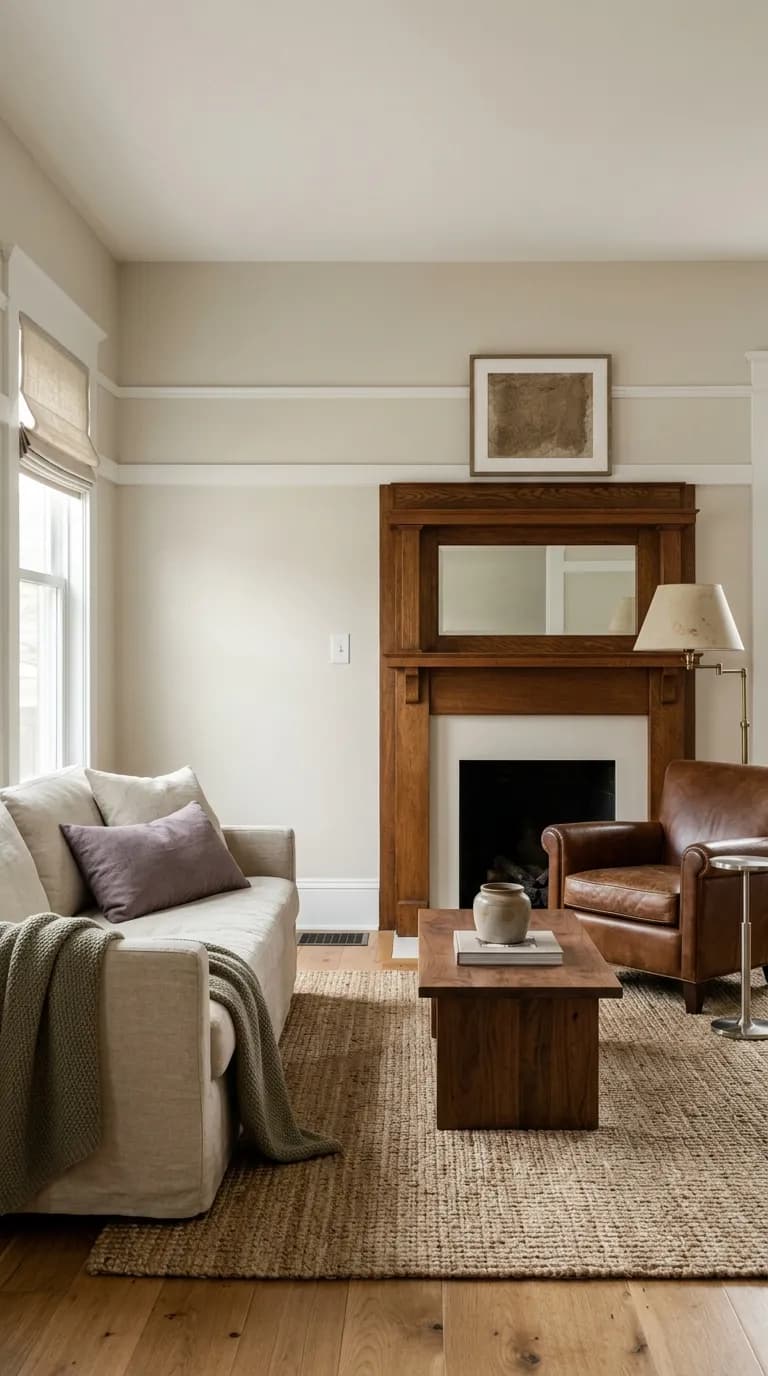
Living rooms work well when the goal is a bridge between traditional and modern sensibilities. It is warm enough to feel welcoming but cool enough not to feel dated or fussy. It is also liked for refreshing rooms that previously had darker, earthier paint, where its lightness reads as a genuine upgrade without the harshness of a bright white. Avoid deploying it in very dark or windowless rooms, where the limited chroma tends to read dingy rather than soft.
On the practical side, it handles kitchen cabinets capably, pairing well with white quartz or quartzite, warmer granite, natural wood tones, and mixed-metal hardware. Satin or semi-gloss finishes work better on cabinetry than matte because the sheen adds a little life to an otherwise quiet color. On the exterior it shows best as trim rather than a full-body color, especially alongside brick, where the warm greige sits naturally with the masonry.
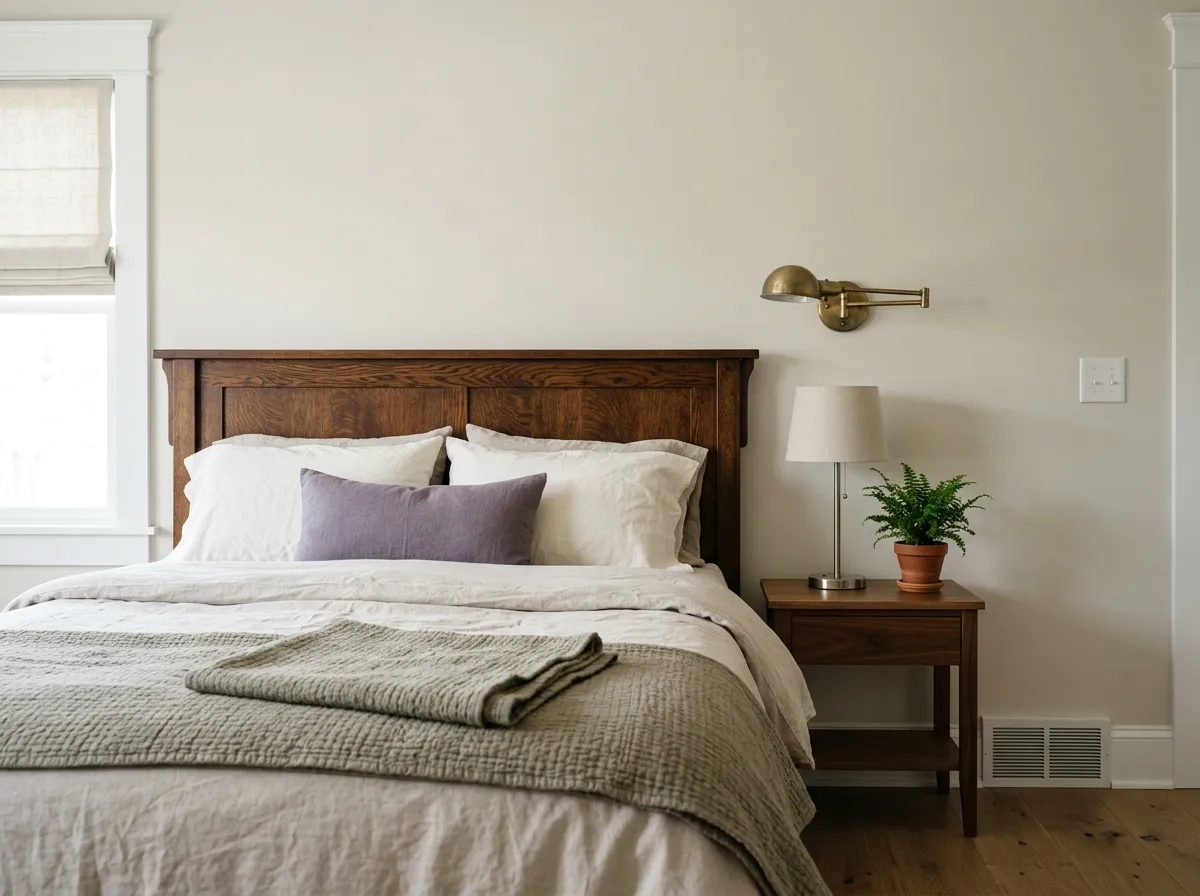
The restful greige-cream reads calm and warm in a bedroom without feeling cold or sterile. The LRV of 77.3 keeps the room bright enough to feel airy but soft enough to feel like a place to unwind. Pair it with natural linen, wood tones, and warm-white bedding for a cohesive look.
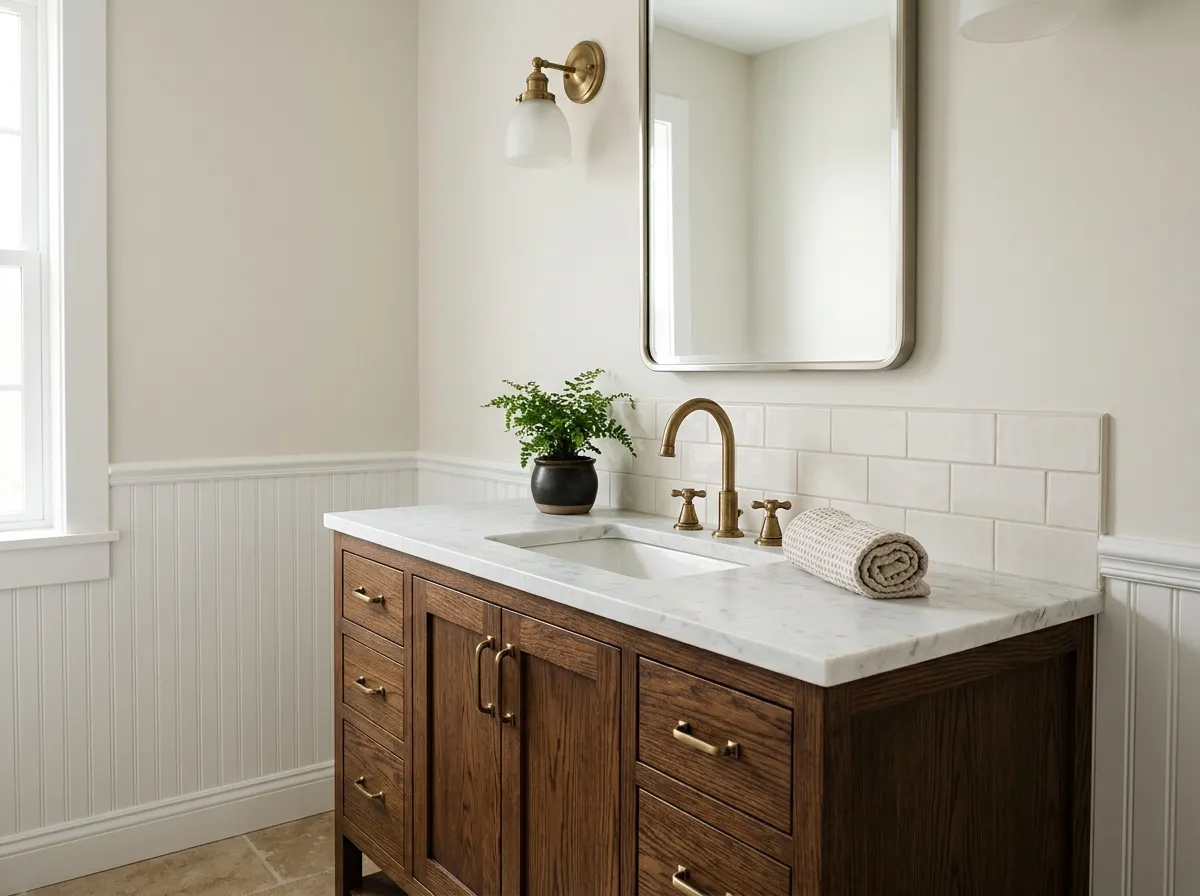
In a spa-style or traditional bathroom Pearly White earns its name, the pearl quality in the undertone comes forward under soft, diffused light. It works especially well with white or warm marble, natural stone, and brushed or aged metal fixtures. Keep the trim crisp to avoid the color reading muddy against grout and tile.
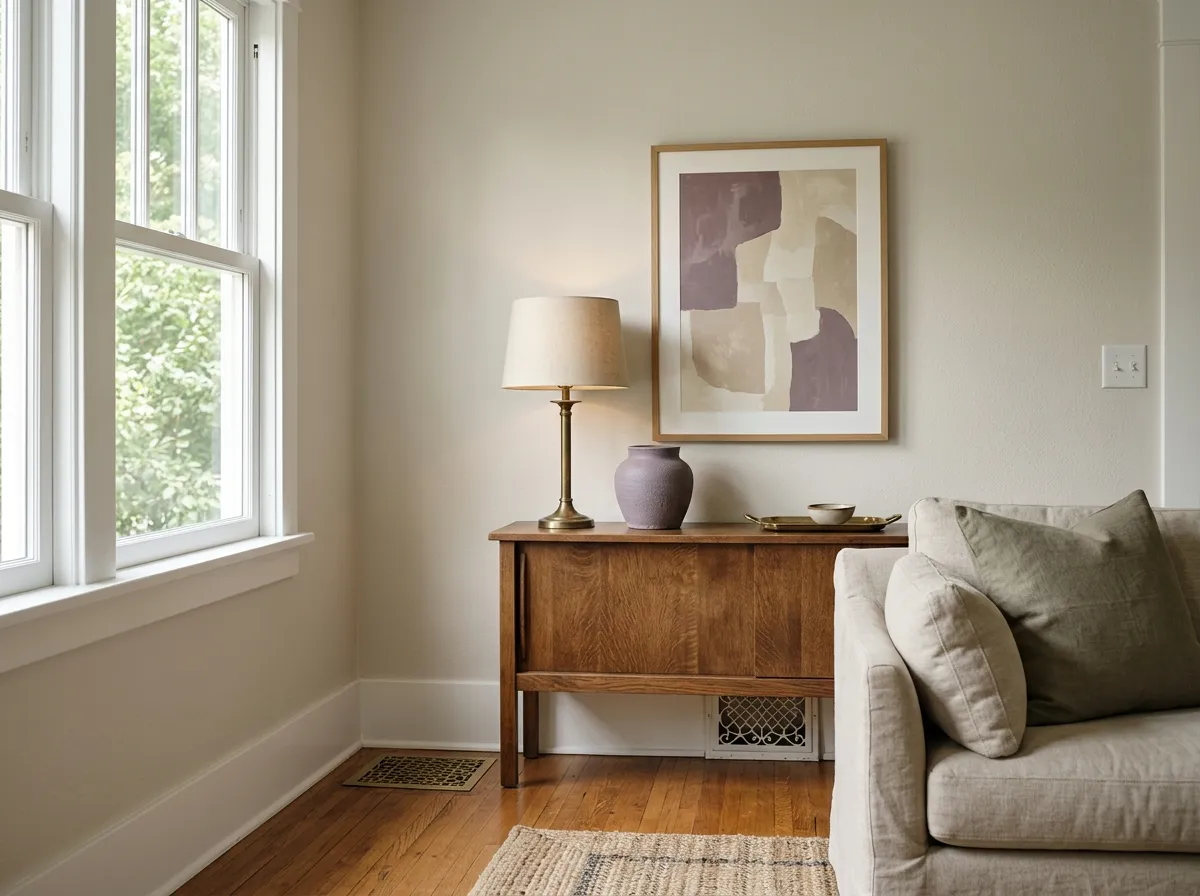
It bridges traditional and modern living rooms comfortably, warm enough to feel welcoming but restrained enough not to feel heavy. Average natural light is the sweet spot; very bright south or west-facing rooms can wash it out. Layer in textured fabrics and wood furniture to let its warmth register.
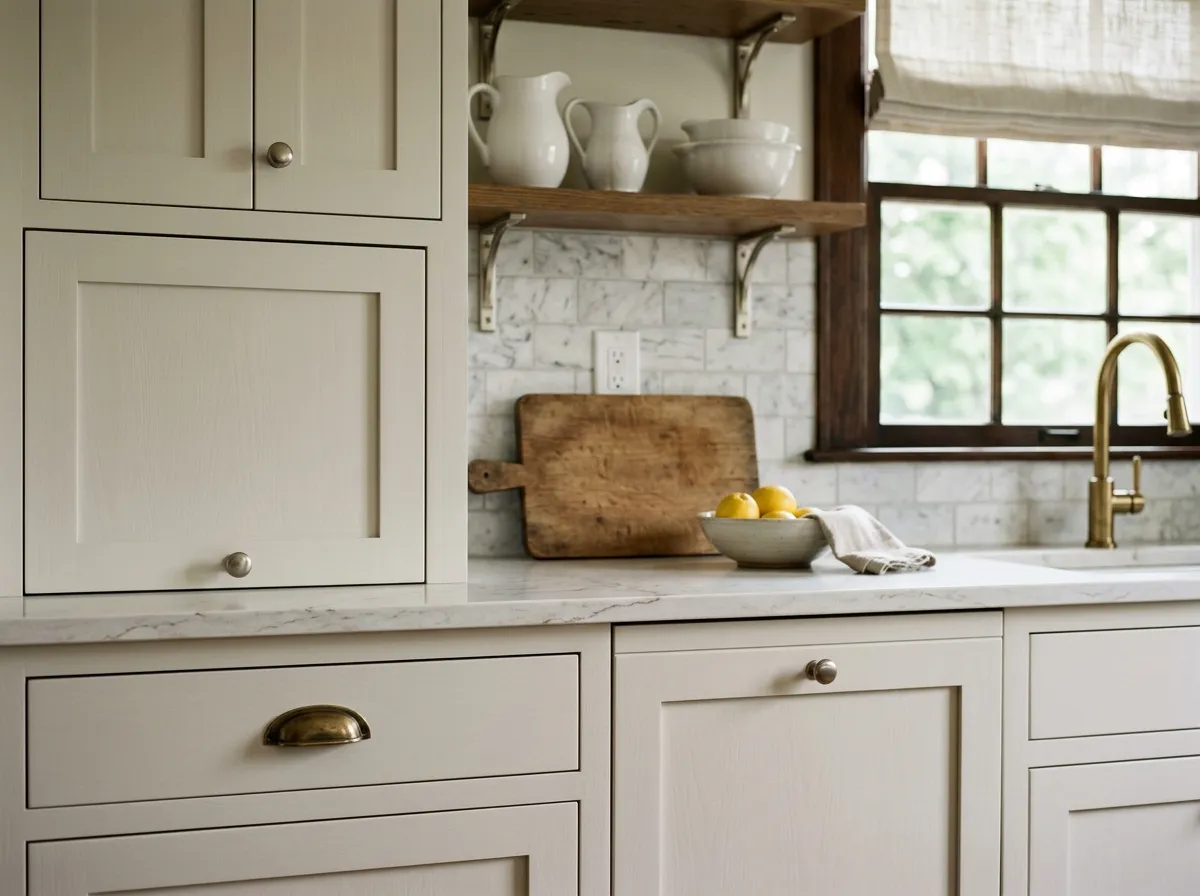
Pearly White handles cabinetry well in satin or semi-gloss, where the finish adds a little dimension to an otherwise quiet color. It pairs nicely with white quartz, warmer granite, and natural wood elements. Mixed-metal hardware reads especially well against the warm greige base.
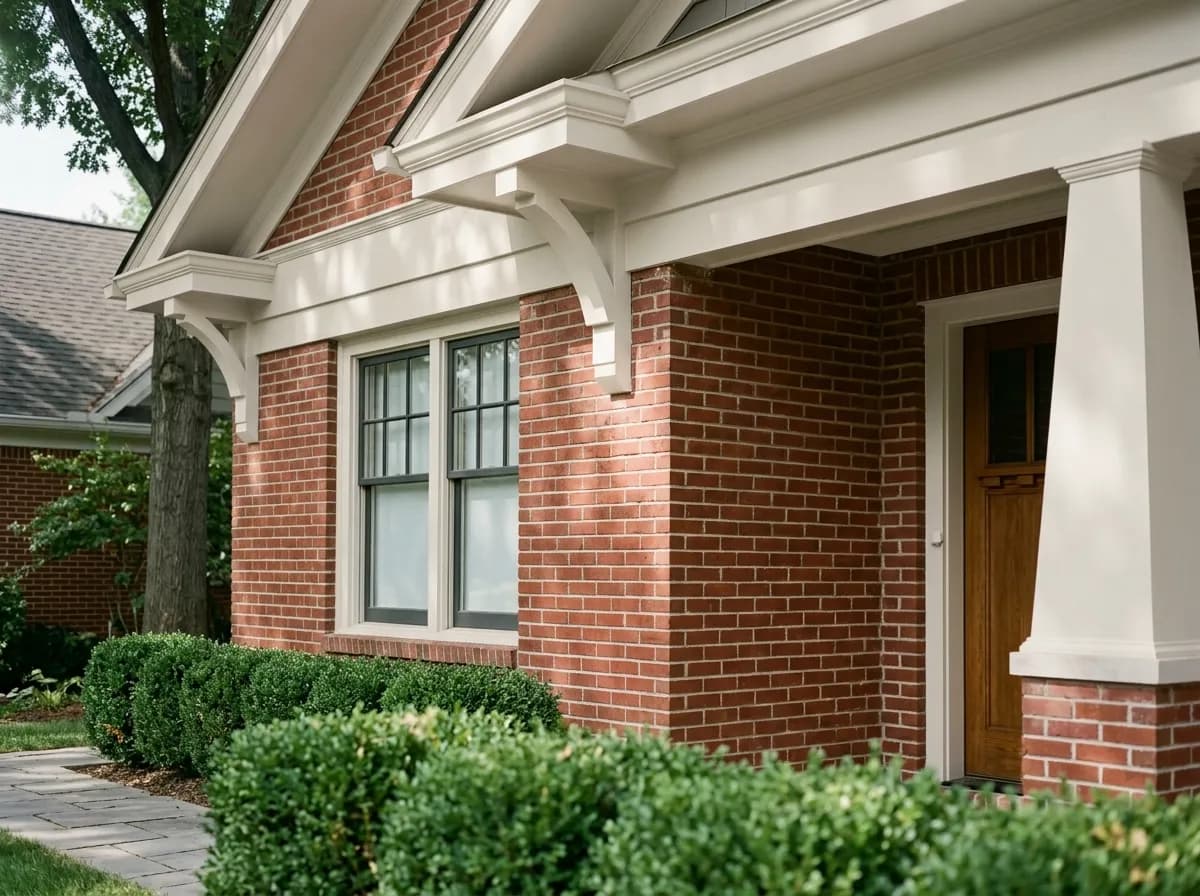
On the exterior the yellow component reads slightly stronger in direct sun, giving it a warmer, creamier personality than it shows inside. As trim on red-brick homes it is a particularly good choice, harmonizing with the warm masonry tones. Avoid using it as a full-body exterior color where it may read too close to aged or dirty white.
Pearly White plays well with colors that either anchor it with some depth or echo its warm neutrality. Jogging Path and Grapy are the coordinating pairings from Sherwin-Williams, and together they hint at the color's range: it can hold its own against earthy, midtone naturals as easily as it can sit beside muted, dusty accent colors.
The bigger caution with pairings is on the trim side. Because Pearly White reads slightly dirty and creamy, other warm or yellow-leaning whites placed next to it as trim will expose that quality and make the wall color look off. Crisp, clean whites provide the contrast that makes it look intentional. Staying warm and cohesive is possible too, but the white you choose matters more with this color than with many others. On the accent side, it bridges well with soft naturals, muted purples, and warm wood tones.
Every color you see here traces back to a Sherwin-Williams match, making the whole scheme something you can actually shop. Two of the seven are real paint: Pearly White on the bath walls and envelope, Pure White on the wainscot, casings, and window trim. The remaining five are the room's furnishings and materials, each shown as its closest Sherwin-Williams equivalent, so hover any pin or swatch to identify them.
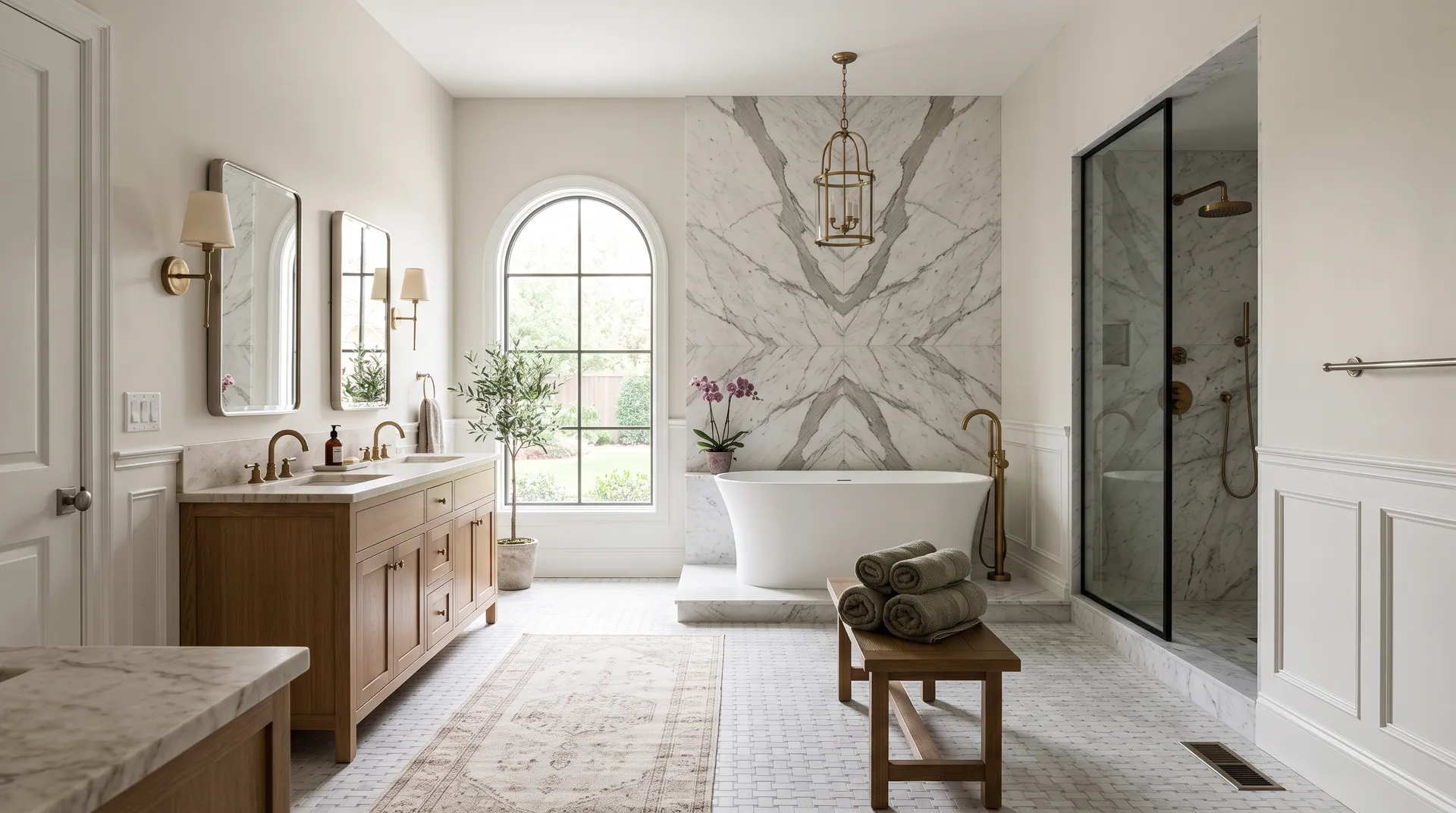
All comparisons are matched against Pearly White at LRV 77.3.
Placing a warm, yellow-leaning white on the trim next to Pearly White walls exposes the gray and dirty-cream quality in the wall color, making it look unintentionally dingy rather than softly neutral.
Using Pearly White on walls, trim, and ceilings in the same space amplifies its low chroma and can make the whole room feel flat and slightly gray rather than warm and layered.
The color's limited chroma and muted warmth need at least moderate natural light to read as a soft cream. In a room with little to no natural light it can tip toward a cold, slightly dingy gray.
Pearly White is a soft creamy gray, what most reviewers call a greige off-white. It is not a true white or a bright white. The base reads as diluted cream with a notable gray component that keeps it from looking buttery or yellow, sitting at an LRV of 77.3 so it is genuinely light but never crisp.
Undertone opinion is genuinely split. Most reviewers describe a warm gray or greige character, and many also detect faint pink or peach in warm artificial light and a whisper of green in cooler or shaded conditions. A smaller group argues the undertone is a nearly invisible soft green that keeps it warm without ever pulling pink, even in dim rooms. Both observations come from real use, so sample it in your specific lighting before committing.
It reads warm overall, but it is on the restrained end of warm. The gray component prevents it from ever feeling truly warm or creamy in the way a yellow-based off-white does. In bright natural light it can even edge toward neutral. Think of it as a muted, soft warm white rather than a definitively warm one.
The precise LRV is 77.3, placing it toward the higher end of the off-white range. That means it is genuinely light and will keep a room feeling open, but it does not reflect light the way a bright white at LRV 85 or above would. Rooms with average natural light show it at its best.
The Sherwin-Williams code is SW 7009. The hex value is #E8E3D9 and the RGB is 232, 227, 217.
On the trim side, crisp clean whites provide the contrast that makes Pearly White look intentional rather than dingy. Avoid other warm or creamy whites as trim partners because the combination will expose its slightly dirty character. For accents it pairs well with earthy midtone naturals and muted, dusty colors. The coordinating colors in the Sherwin-Williams palette include Jogging Path and Grapy, which work with its warm greige base. Natural wood tones and mixed metals also sit comfortably alongside it.
For exteriors it works best as trim rather than a full-body color, particularly on red-brick homes where its warm greige harmonizes with the masonry. As a full exterior body color it risks reading as aged or dirty white rather than an intentional warm neutral. On kitchen cabinets it performs well in satin or semi-gloss finishes, pairing nicely with white quartz, warmer granite, natural wood, and mixed-metal hardware. As a front door color the soft warmth can work, but a deeper or more saturated color will give a stronger first impression.