Silver Lake
What Silver Lake Actually Looks Like
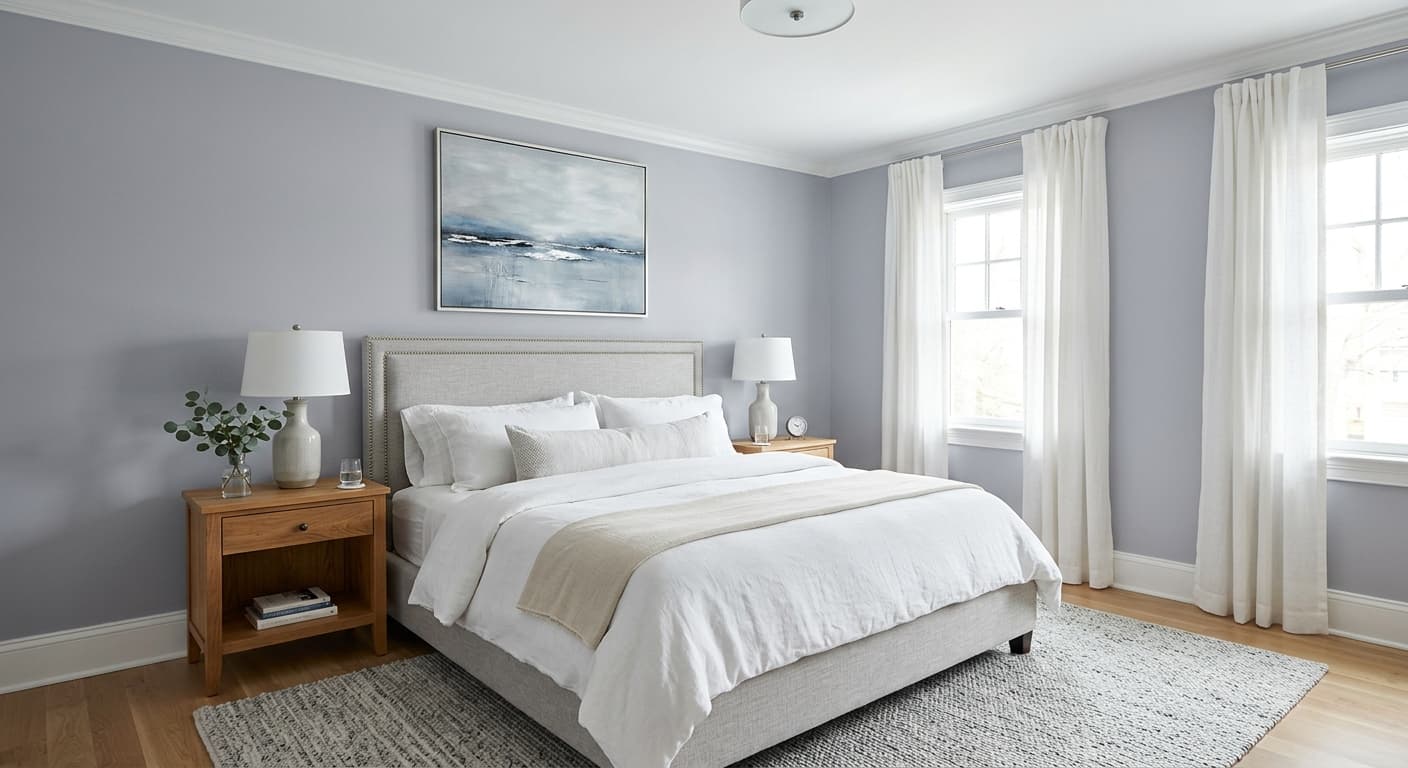
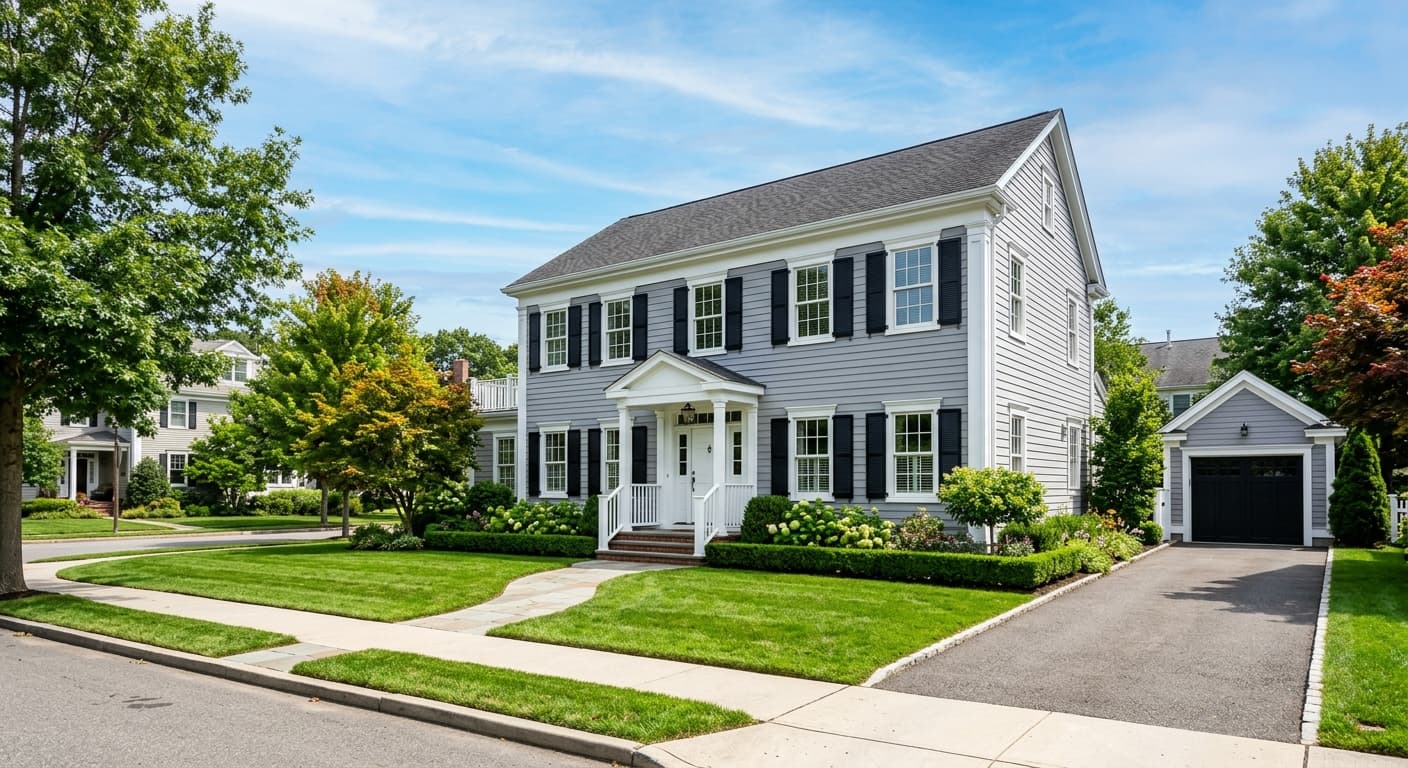
Silver Lake reads as a deep blue-gray that lands somewhere between slate and storm cloud. In bright daylight it shows off its blue side, cool and a little crisp. As the light fades through the afternoon, the gray takes over and the whole thing settles into something heavier and more grounded.
This is a color that moves. Put it on a north-facing wall and you'll get a cooler, almost moody version that leans toward charcoal. South-facing rooms warm it up and let the blue breathe. Under warm incandescent bulbs at night, expect it to deepen and pull slightly muddy, which can actually work in your favor for a cozy den or bedroom.
What makes it distinctive is the balance. It isn't a navy, and it isn't a true gray either. It sits in that useful middle ground where it feels intentional without screaming for attention. You get color and depth without committing to a saturated, in-your-face blue.
Silver Lake Undertones
The dominant undertone here is blue, but there's enough gray to keep it from going nautical. In certain light you may catch a faint green flicker, especially next to warm whites or beige flooring. That green can sneak up on you, so test it against your fixed elements before you commit.
Undertones matter most when you're choosing what goes beside Silver Lake. A trim with a yellow base will fight the blue and make your walls look colder than you intended. Cooler furnishings amplify the slate quality. If your room already has warm wood tones, the contrast can be sharp, so plan for that rather than discovering it after the second coat.
Where Silver Lake Works Best
Silver Lake earns its keep in rooms where you want atmosphere. Studies, home offices, dining rooms, and bedrooms all suit its depth. It's a strong cabinetry color too, particularly on a kitchen island or a built-in bookcase where you want one element to anchor the space.
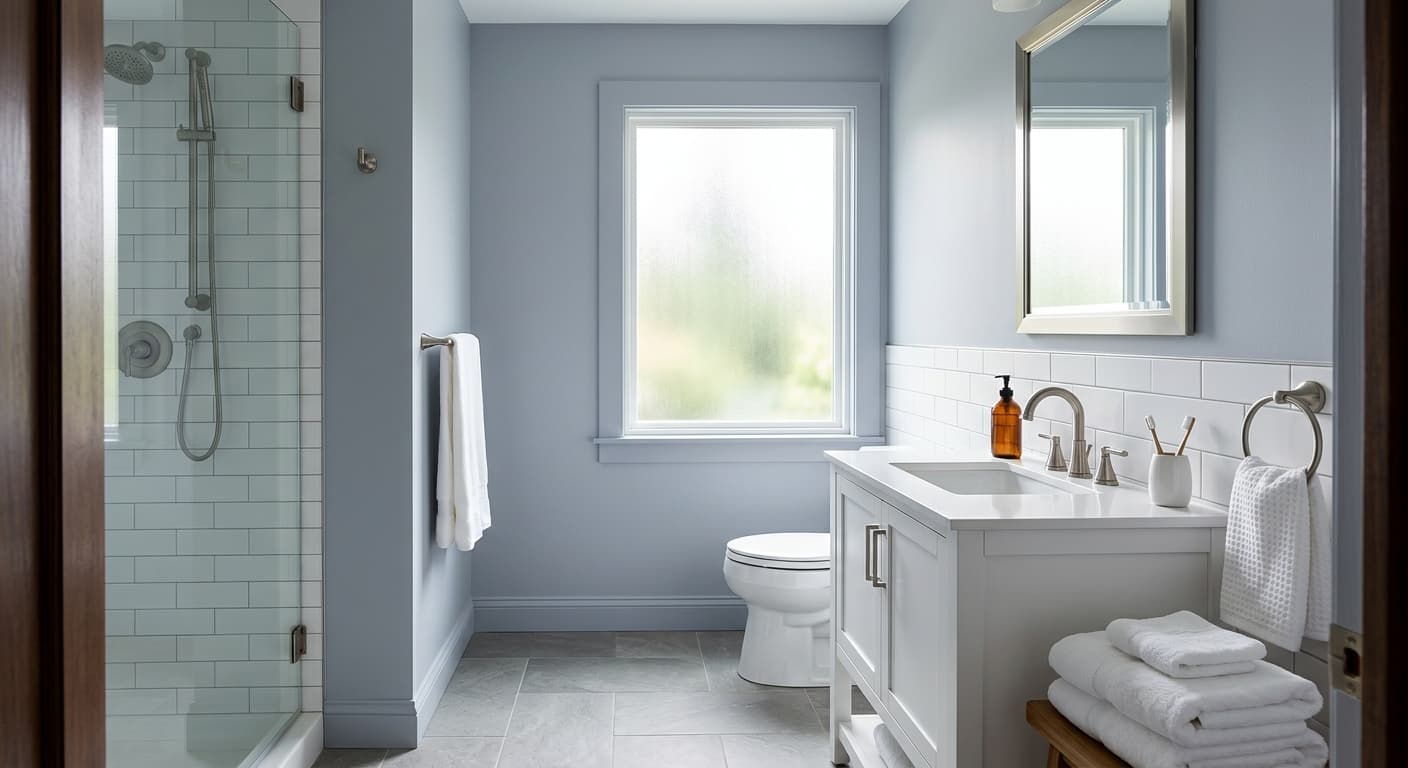
Orientation changes everything with a color this deep. South and west-facing rooms get enough natural light to keep it from feeling like a cave. North-facing spaces will go darker and moodier, which can be lovely if that's the goal, but harder if you wanted something airy. In small rooms, lean into the drama rather than fighting it. Silver Lake on all four walls of a powder room feels deliberate and rich.
What to Pair With Silver Lake
For trim, a clean white like Chantilly Lace (OC-65) keeps the contrast sharp and modern. If you want something softer, White Dove (OC-17) takes the edge off without muddying the relationship. Both let the blue-gray stay the star.
Warm wood flooring, white oak or walnut, balances the coolness and stops the room from feeling clinical. Brass and aged bronze hardware look excellent against it. For adjacent walls or a coordinating scheme, pull in a warmer neutral like Edgecomb Gray (HC-173) or a soft greige to give your eye somewhere to rest. Natural linen, cream upholstery, and muted terracotta accents all play nicely. If you want to go tonal, a lighter gray-blue in the same family keeps things calm and cohesive.
Colors That Clash With Silver Lake
Skip pairing it with cool grays that carry a violet base. The two will clash in a way that's hard to name but easy to feel, and the room ends up looking off. Avoid stark, icy whites for trim if your space is already short on natural light, since the combination can feel cold and flat. And don't use it across a large open-plan area without testing how it carries from room to room. Light shifts dramatically across a big space, and Silver Lake will look like three different colors by the time you reach the far wall.