Pale Smoke
What Pale Smoke Actually Looks Like
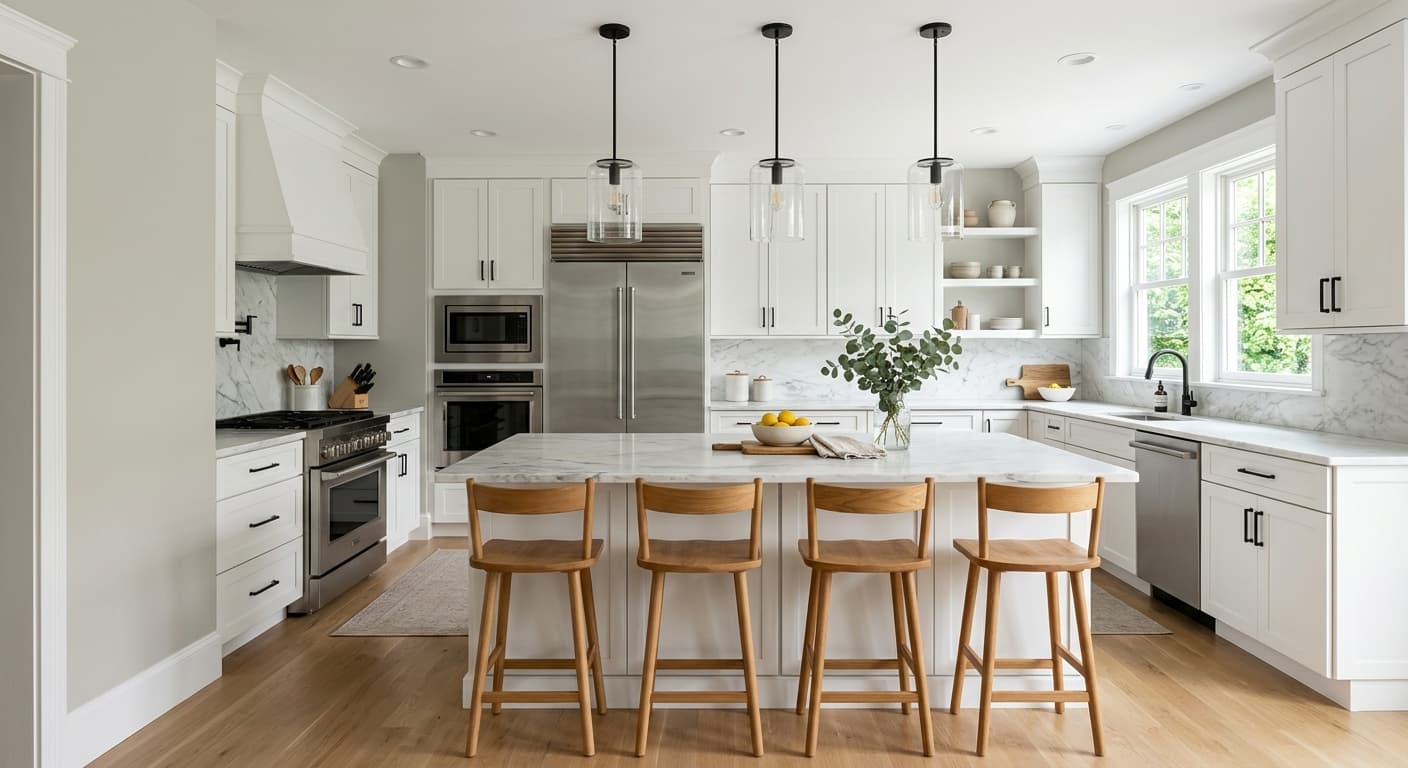
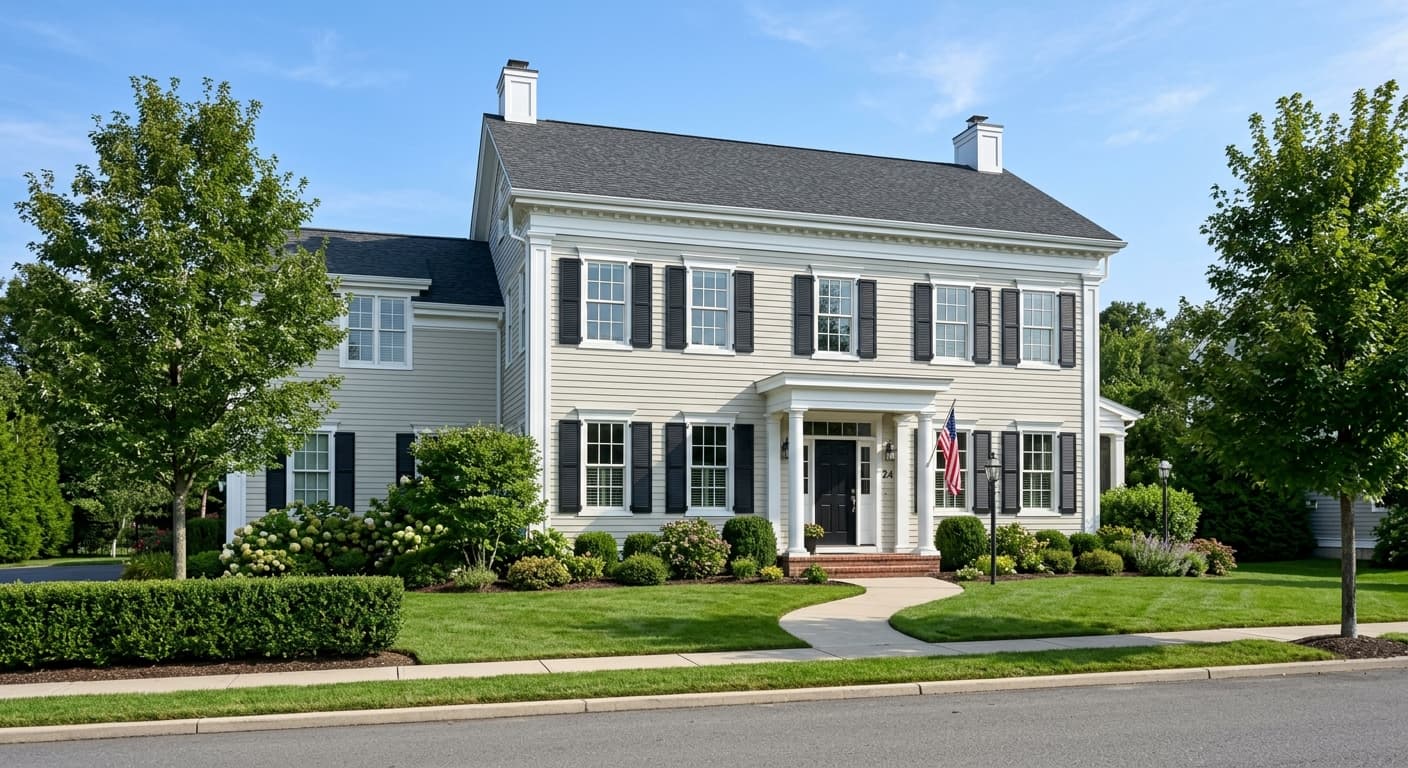
Pale Smoke is a soft gray with a quiet blue undertone that keeps it from feeling cold or clinical. On your walls it reads as a pale, hazy gray, the kind that looks like fog more than concrete. It is light enough to function almost like an off-white in bright rooms, but it never goes flat or chalky the way a true white might.
The color shifts noticeably depending on your light. In strong morning sun, the blue surfaces and Pale Smoke leans toward a cool, watery gray. By late afternoon, when the light warms, it settles down and reads softer, almost dove-like. Under artificial light it can pick up a faint green cast, so test it against the bulbs you actually use.
What makes it distinctive is that balance. It has enough color to register as a deliberate choice, but not so much that it commits the room to a single mood. You will notice it changes with the day, which keeps a space from feeling static.
Pale Smoke Undertones
The dominant undertone here is blue, with a whisper of gray-green that comes and goes with the light. That blue is the thing to plan around. It can pull cool, so warm-toned woods, brass, and creamy whites help balance it. Set against a stark white trim, the blue gets emphasized; against a softer white, it calms down.
Undertones matter because Pale Smoke will react to whatever sits next to it. Place it beside a warm beige and the blue jumps forward. Pair it with other cool grays and it can disappear into them. Look at it in your own space, on more than one wall, before you commit.
Where Pale Smoke Works Best
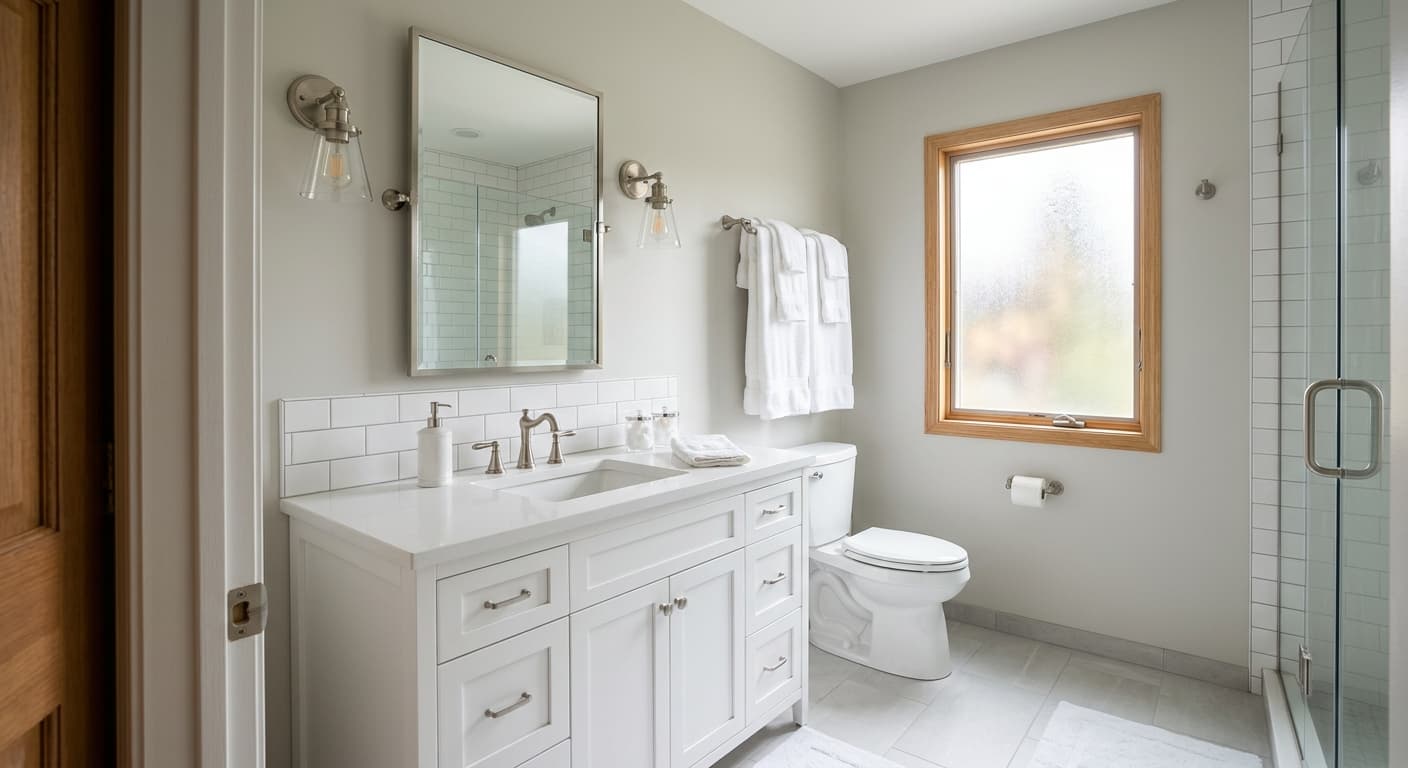
Pale Smoke does well in rooms with good natural light, where its color has room to breathe. South-facing and east-facing rooms bring out its softer, warmer side and keep the blue in check. Bathrooms, bedrooms, and home offices suit it because the calm, airy quality works in spaces where you want to settle down or focus.
In north-facing rooms, be cautious. The cool, blue-heavy light can push Pale Smoke toward gray-blue and make it feel chilly. Smaller rooms benefit from its lightness, since it opens up tight spaces, while larger open-plan areas get a clean, consistent backdrop from it.
What to Pair With Pale Smoke
For trim, a soft white like Benjamin Moore White Dove (OC-17) or Simply White (OC-117) keeps things crisp without going icy. If you want more contrast, Chantilly Lace (OC-65) sharpens the edges. For an adjacent wall color, Gray Owl (OC-52) and Stonington Gray (HC-170) both share the same cool family and layer well.
On furnishings, lean into warmer woods like oak and walnut to offset the blue, and bring in brass or aged bronze hardware for warmth. Pale flooring keeps the airy feel intact, while a mid-tone wood floor grounds the room. Linen, wool, and natural textures in cream or greige sit comfortably alongside it.
Colors That Clash With Pale Smoke
Steer clear of pairing Pale Smoke with strong yellow-based beiges or orange-toned woods, which fight the blue undertone and make both colors look muddy. Heavy, saturated grays nearby will swallow it. And in a dim, north-facing room with cool bulbs, you risk a sterile, washed-out result, so do not skip testing it under your actual lighting conditions.