Rain Cloud is a deep, composed blue-gray that sits at an LRV of 11.4, meaning it reflects only a small fraction of light back into the room. The name might suggest something soft and wispy, but the paint is genuinely dark. In a well-lit space it reads as a rich slate blue-gray with enough color presence to feel deliberate, not accidental. It lands somewhere between a weathered coastal shingle and a moody spa tile, grounded and calm rather than bright or bold.
In lower-light conditions or north-facing rooms, Rain Cloud can shift closer to a deep charcoal, losing some of its blue character and pulling decidedly dark. That behavior is worth knowing before you commit. In rooms that get direct natural light, especially in the morning or afternoon, the blue-gray quality comes forward more clearly and the color feels softer and more atmospheric. It has just enough color to distinguish itself from a plain gray without tipping into anything you would call a statement blue.
The research is consistent on this one: Rain Cloud reads as a cool gray with a clear blue undertone. It is not a true navy, not a teal, and not a slate that flirts with green. The blue is present but restrained, sitting underneath the gray rather than competing with it. That quality is what gives the color its spa-like, coastal calm without veering into anything saturated or obvious.
Where reviewers sometimes disagree is on how much of that blue reads in practice. In warmer artificial light, such as incandescent or warm LED, the blue undertone can recede and the color sits as a more straightforward dark gray. Under cooler daylight or in rooms with a lot of natural light, the blue element comes forward noticeably. Some people find the color reads almost purely gray in their space while others see a definite blue-gray. Both readings are plausible depending on your light source, so testing a large sample in your actual room under your actual lighting is the most reliable step you can take before purchasing. The color does not carry any meaningful green, purple, or warm beige; those who have looked for a warm shift consistently report it stays on the cool side.
Rain Cloud is well suited to bedrooms, where its low LRV of 11.4 and cool, calming undertone create the kind of restful environment that supports sleep. It works especially well in primary bedrooms where you want the room to feel like a retreat. Because it is genuinely dark, it pairs best with rooms that have some natural light during the day, so the space does not feel oppressive by afternoon. Pairing it with lighter bedding, warm wood tones, and off-white trim keeps the room from feeling heavy.
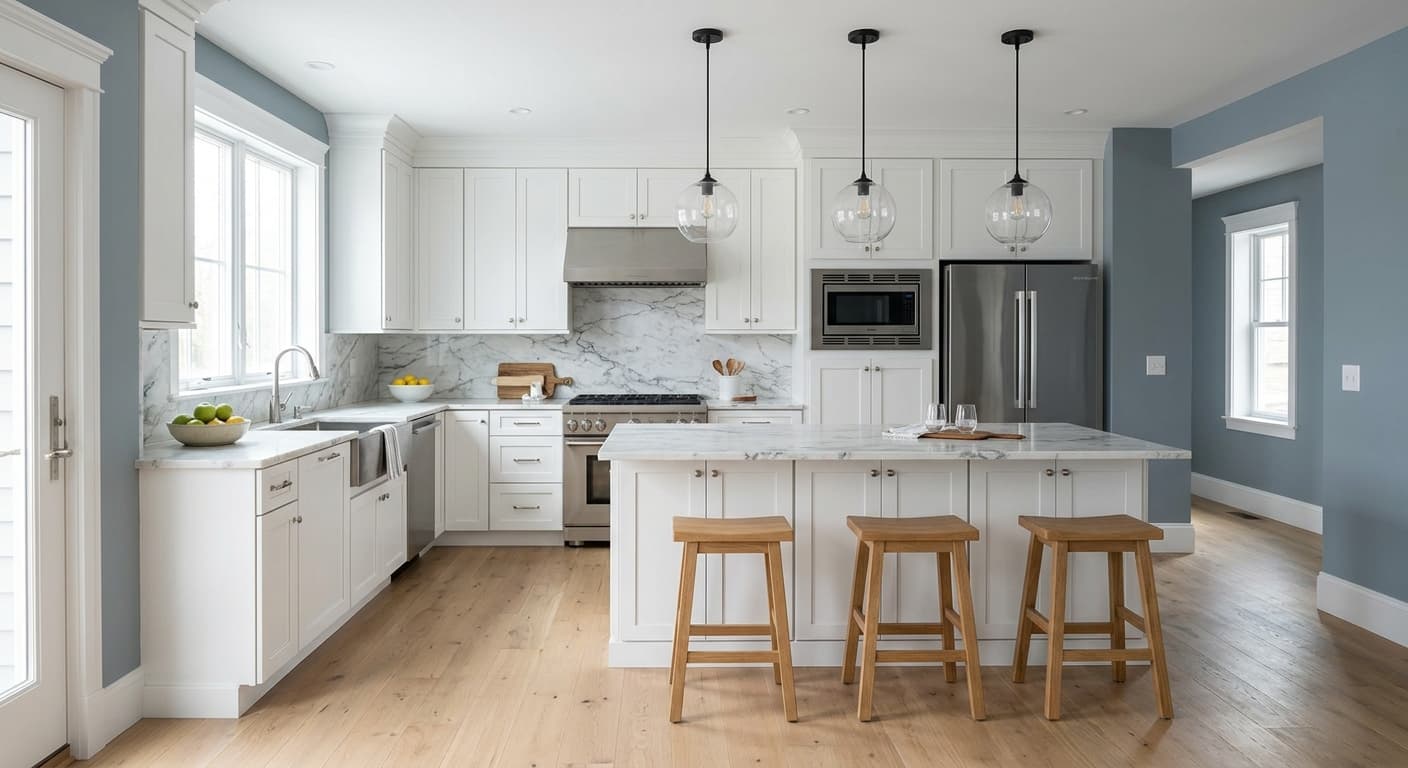
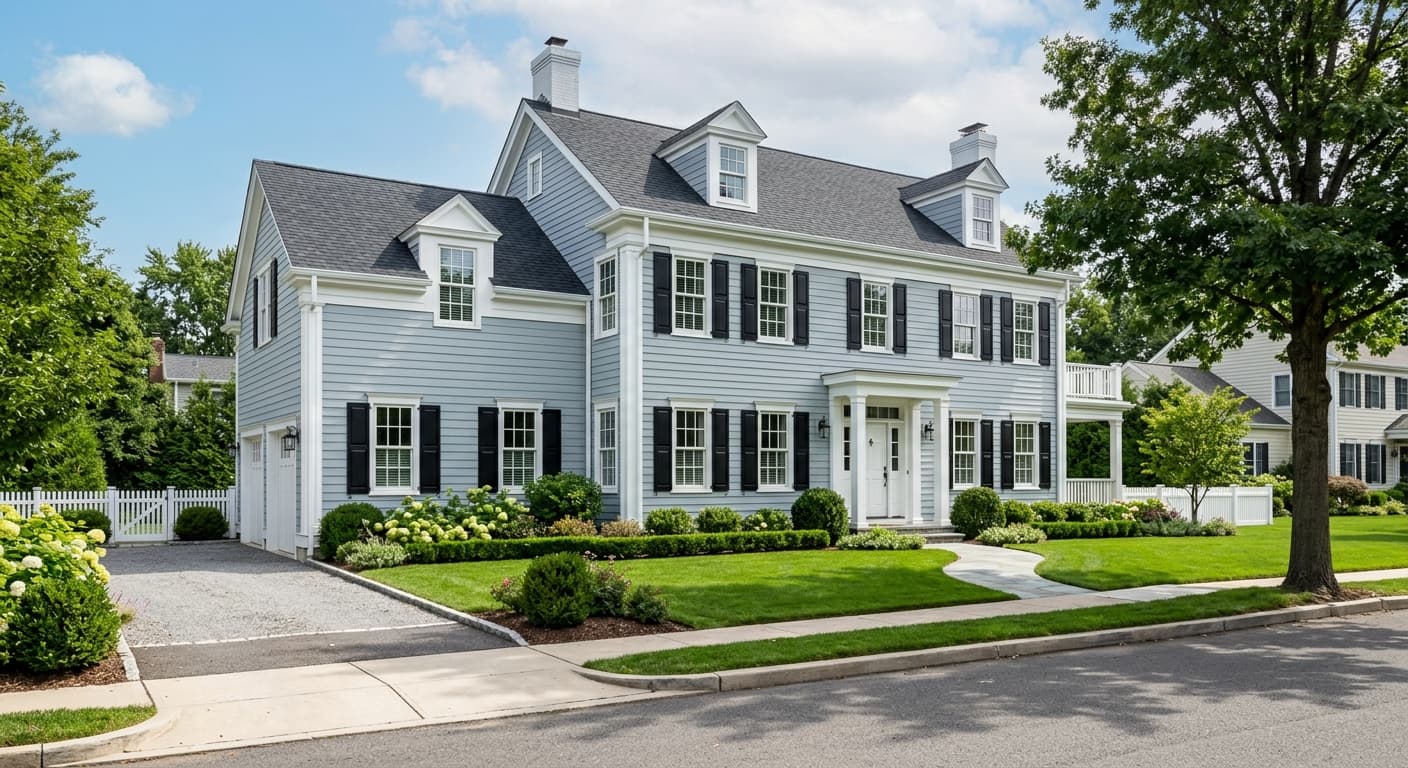
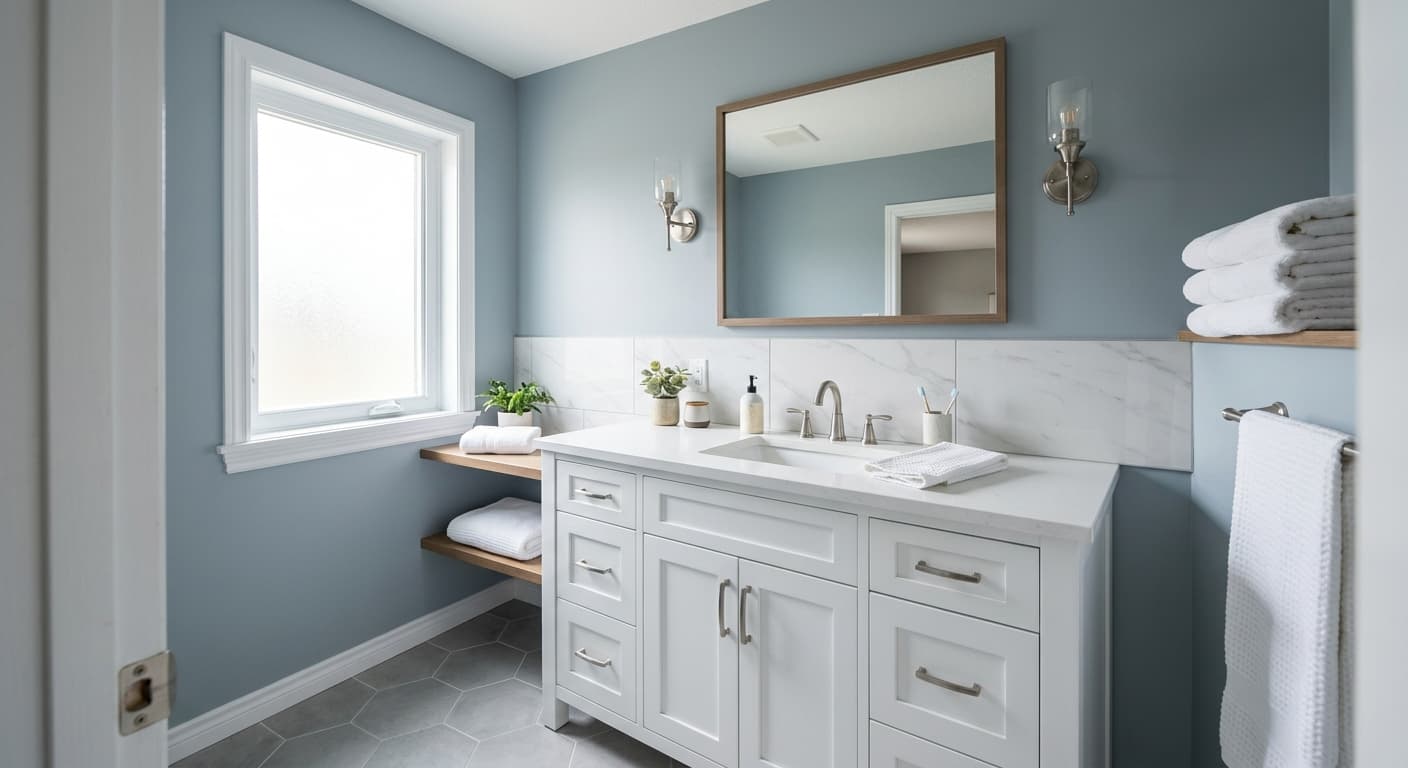
In bathrooms it delivers a spa-like atmosphere that many reviewers specifically call out. A bathroom does not need to be large for Rain Cloud to work; its depth can actually make a small bathroom feel more intentional and finished rather than cramped, especially when paired with clean white fixtures and good lighting. For living rooms, it is a strong accent wall candidate and also holds its own as an all-over color if your space gets decent light.
Beyond interiors, Rain Cloud is noted to perform on exteriors and holds its tone with good fade resistance when surfaces are properly prepped. It works on front doors, siding, and exterior accents, where its cool seriousness reads as quietly sophisticated. Cabinetry is another area reviewers highlight, particularly kitchen or bathroom cabinets where a deep, grounded color adds contrast against lighter countertops and hardware.
Rain Cloud's low LRV of 11.4 and cool blue-gray character make it genuinely restful in a bedroom setting. Pair it with warm white bedding and natural wood furniture to keep the mood from tipping cold. North-facing bedrooms may read closer to deep charcoal at night, so supplement with warm artificial lighting.
In a bathroom, Rain Cloud delivers a spa-like depth that feels calm and considered. White fixtures and clean grout lines provide the contrast that keeps the dark color from feeling heavy. Good overhead or vanity lighting is important since the LRV of 11.4 means the color absorbs a lot of ambient light.
As an accent wall in a living room, Rain Cloud creates a strong focal point without requiring you to commit every surface to a dark color. As an all-over color it works best in rooms with reliable natural light and lighter furnishings to balance the depth. Off-white trim in Gypsum defines the architecture cleanly against the dark field.
On kitchen or bathroom cabinets, Rain Cloud holds its cool blue-gray tone well and contrasts effectively against light quartz or marble countertops. Hardware in brushed brass or matte black both work, with brass adding warmth and black keeping the palette strict and cool. Plan on two solid coats for even coverage on cabinet surfaces.
Rain Cloud reads as a composed, serious color on exteriors and front doors, with good fade resistance on properly prepped surfaces. It sits comfortably alongside natural wood trim, stone, and warm-toned brick. On a front door it signals confidence without loudness.
Sherwin-Williams coordinates Rain Cloud with three colors that cover a useful range. Gypsum is a clean off-white that creates crisp, high-contrast trim and ceiling pairings without introducing warmth that would fight the cool character of Rain Cloud. It is the most practical trim companion if you want the color to stand clearly defined rather than blend into its surroundings. Allegory is a warmer neutral that softens the combination, making a room feel less stark while still letting Rain Cloud read as the anchor. For something more unexpected, Honeypot brings a soft gold warmth that works as an accent in textiles, hardware, or decorative objects, adding just enough warmth to keep the cool gray from feeling cold.
Beyond those coordinates, Rain Cloud responds well to natural wood tones, brushed brass or matte gold hardware, and crisp warm whites used in trims and moldings. Cool metals like polished chrome or stainless can work in bathrooms but tend to amplify the cool quality of the color. If you want the room to feel anchored and warm rather than cool and minimal, lean into natural textures like linen, rattan, and unpainted wood alongside the paint.
All comparisons are matched against Rain Cloud at LRV 11.4.
Rain Cloud is a genuinely cool blue-gray, and placing it next to warm yellow or golden-beige tones in an open floor plan creates a color temperature conflict that makes both colors look off. The cool-warm clash is especially noticeable in transition zones.
Pairing Rain Cloud with a stark cool white that has blue or violet undertones doubles down on the cool quality of the palette and can make the overall room feel cold and uninviting rather than calm and serene.
When every hardware and fixture element is polished chrome or cool stainless steel, Rain Cloud's cool undertone gets amplified and the room can read clinical rather than restful or spa-like.
Rain Cloud SW 9639 is a deep blue-gray with a cool, restrained character. At an LRV of 11.4 it is genuinely dark, reflecting very little light, and it sits somewhere between a weathered slate and a moody spa tone without pushing into navy or teal territory.
The undertone is consistently described as cool gray with a clear blue presence underneath. In warm artificial light the blue can recede and the color reads as a darker gray. In natural or cooler daylight the blue-gray quality comes forward more clearly. There is no meaningful green, purple, or warm undertone in this color.
Rain Cloud is a cool color. It sits in the blue-gray family and its undertones stay on the cool side regardless of lighting, though warmer light sources can mute the blue element. If you are looking for a warm gray or a greige, this is not it.
The LRV of Rain Cloud SW 9639 is 11.4. That puts it firmly in the deep-color range, meaning it absorbs the majority of light rather than reflecting it. In low-light rooms it can read very close to charcoal, so testing a large sample in your actual space is strongly recommended before committing.
Rain Cloud's Sherwin-Williams code is SW 9639. The hex value is #536168 and the RGB values are 83, 97, and 104.
Rain Cloud coordinates well with Gypsum for clean, high-contrast trim, Allegory as a warmer neutral companion, and Honeypot as a soft gold accent that adds warmth without fighting the cool base. Beyond those, warm wood tones, brushed brass hardware, natural linen, and rattan textures all work well alongside this deep blue-gray.
Yes on all three. Rain Cloud is available in exterior formulations and reviewers note it holds its tone well with good fade resistance on properly prepped surfaces. On front doors it reads as composed and deliberate. On cabinetry it delivers strong contrast against lighter countertops. Plan on two coats in all cases for even, true coverage.
