First Snow
What First Snow Actually Looks Like
First Snow reads as a clean white with a whisper of coolness. It is not the kind of white that glares back at you, and it is not so soft that it turns cream. Think of the color of fresh snow on an overcast morning. There is light in it, but the light is quiet.
In a north-facing room, you will notice the cool side come forward. The walls take on a faint blue-gray cast, which can feel crisp or slightly clinical depending on what else is in the space. In south and west light, the color warms up and behaves more like a true neutral white. By late afternoon, when the sun drops low, expect a gentle gray softening across the surface.
What makes First Snow distinctive is its restraint. It does not commit hard to warm or cool, which gives you room to steer it. Surround it with warm wood and brass and it leans cozy. Pair it with steel and concrete and it sharpens right up.
First Snow Undertones
The undertone here is cool, sitting somewhere between gray and the faintest blue. This matters more than people expect. Put First Snow next to a creamy white trim and the trim will suddenly look yellow and the wall will look gray. Put it next to a cooler bright white and both colors will sing together.
Because the undertone is subtle rather than loud, you have flexibility. But you still need to test it against your fixed elements. Hold a large sample against your flooring, your cabinets, and your existing trim before you commit. Cool undertones can clash with warm beige carpet or honey oak floors, so check those first.
Where First Snow Works Best
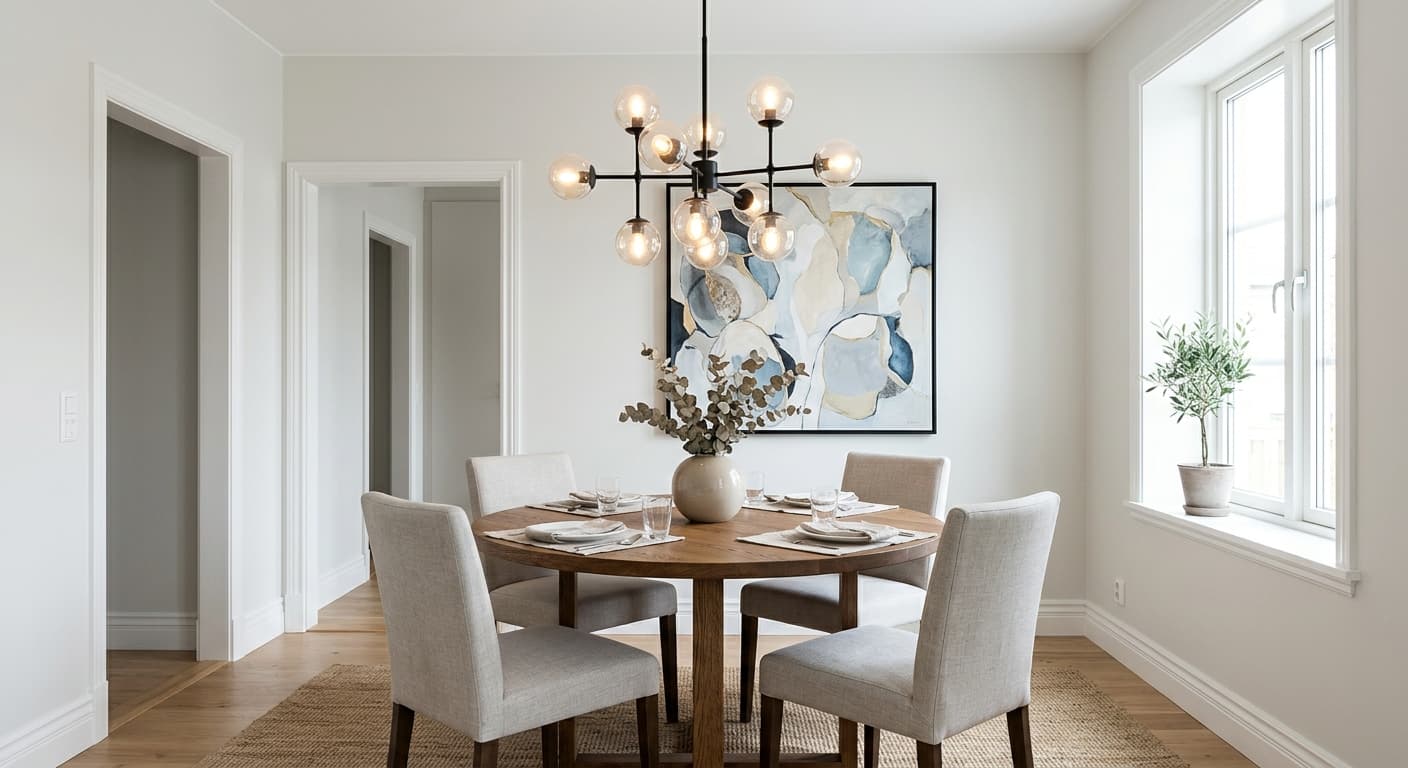
First Snow does its best work in rooms that already get good light. South-facing living rooms, bright kitchens, and sunlit bedrooms let the white stay open and airy without going flat. In these spaces it expands the walls and keeps everything feeling current.
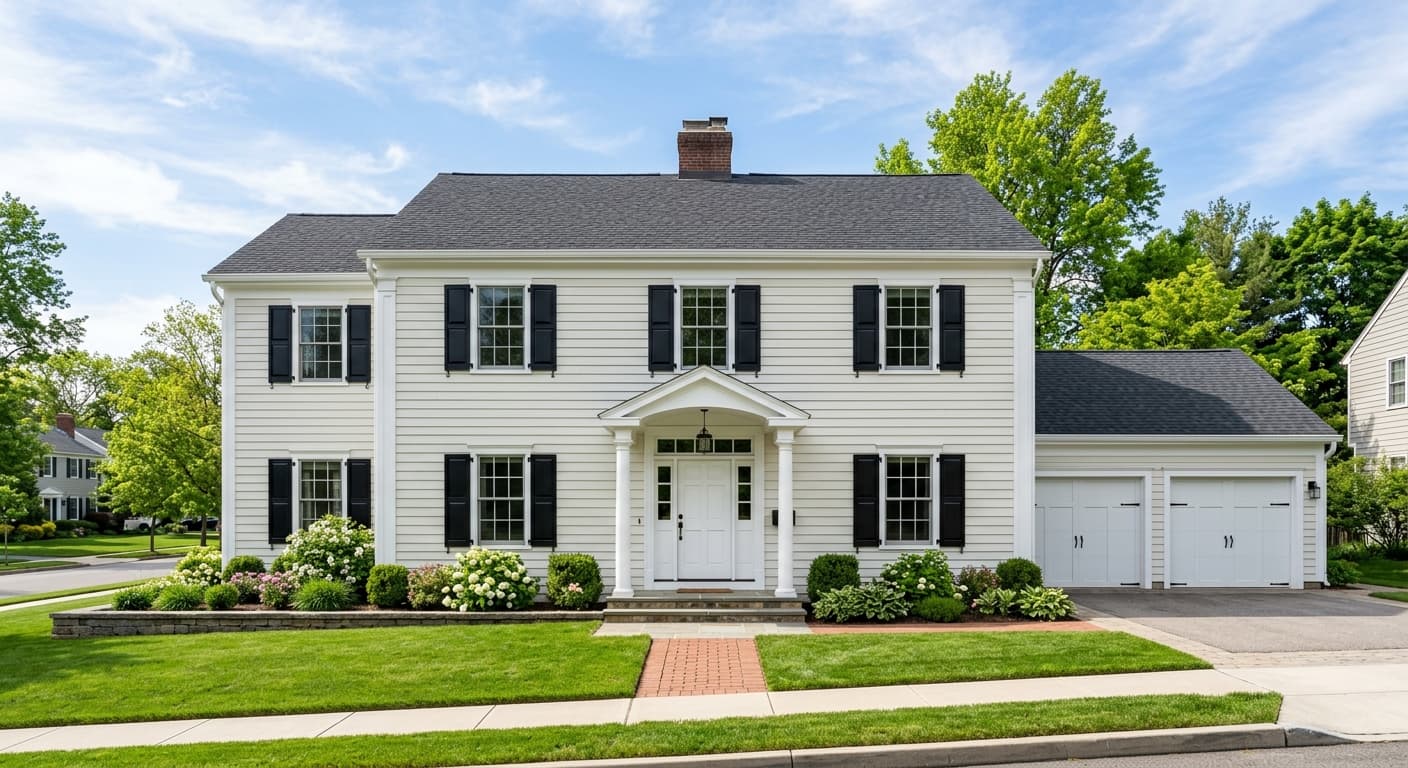
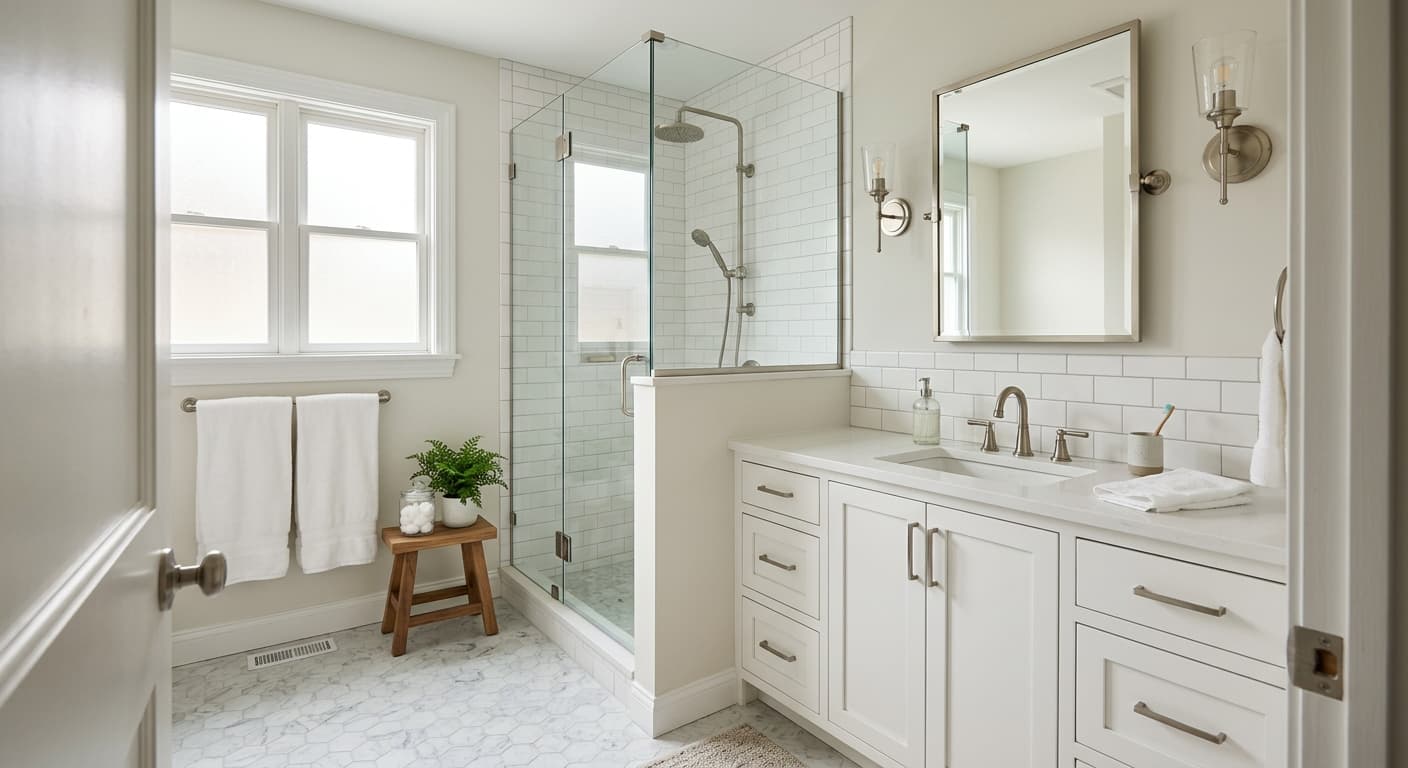
It also performs well on ceilings and trim throughout a home, where its cool clarity reads as clean rather than stark. In small spaces, the high reflectance helps push the walls back and make the room feel larger. In dim, north-facing rooms with little natural light, be cautious. The cool undertone can tip toward gray and feel cold, so you may want a warmer white instead.
What to Pair With First Snow
For trim, stay in the cool-to-neutral family. A crisp bright white keeps the look sharp and modern. If you want contrast, a soft charcoal or a muted blue-gray on doors and trim plays nicely against the wall. Avoid warm ivory trim, which fights the undertone.
For furnishings, First Snow handles cool and neutral tones with ease. Gray upholstery, black metal, pale natural linen, and light woods like maple or ash all sit comfortably against it. For flooring, light gray-toned wood, pale stone, and cool-cast tile reinforce the clean feeling. If your floors are warm and golden, balance the room with warmer textiles so the white does not look stranded.
Colors That Clash With First Snow
Do not pair First Snow with strong warm neutrals like beige, tan, or honey oak without a plan. The clash between the cool wall and the warm element makes both look slightly off. Avoid using it as your only white in a dim, north-facing room, where it can read gray and chilly. And skip the temptation to combine it with several other whites that have warm undertones. The mismatched temperatures will read as a mistake rather than a layered look.