Elephant Skin
What Elephant Skin Actually Looks Like
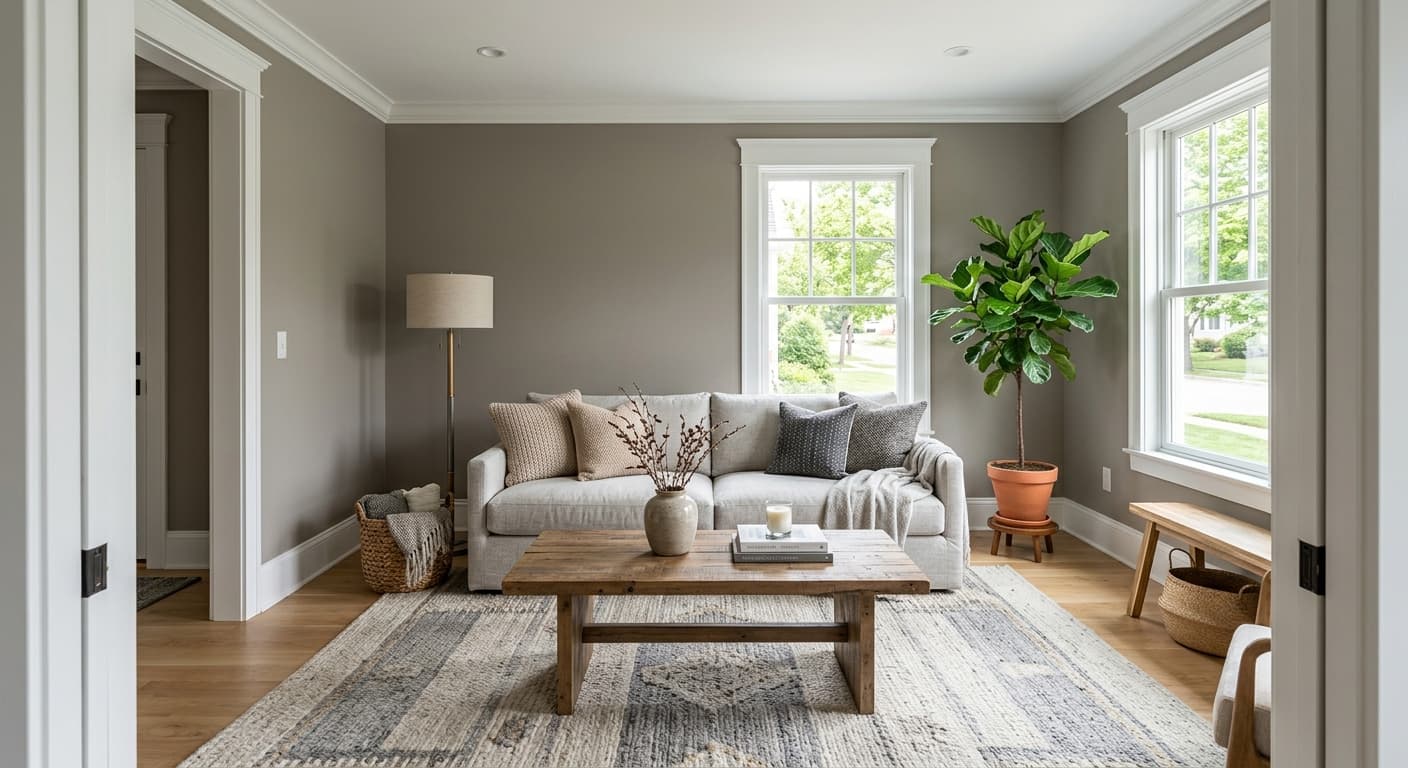
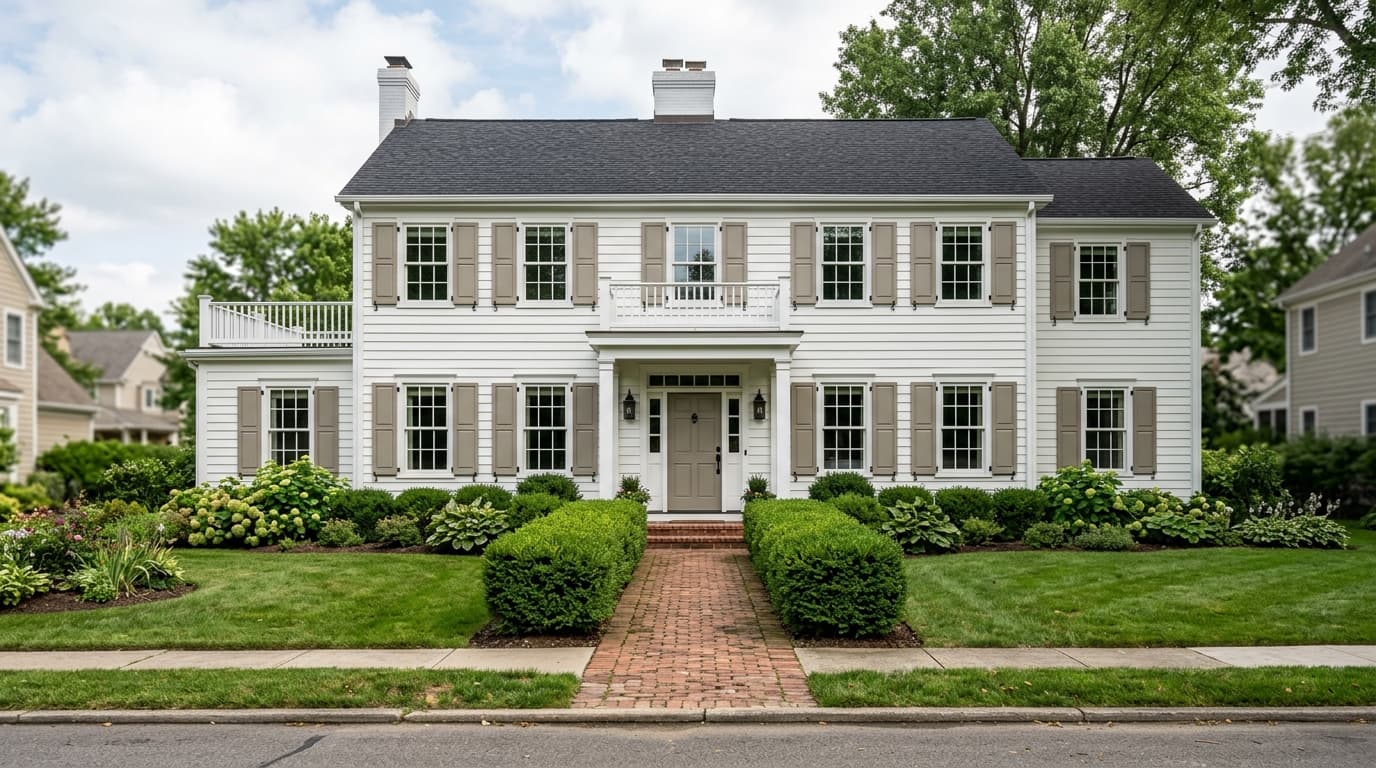
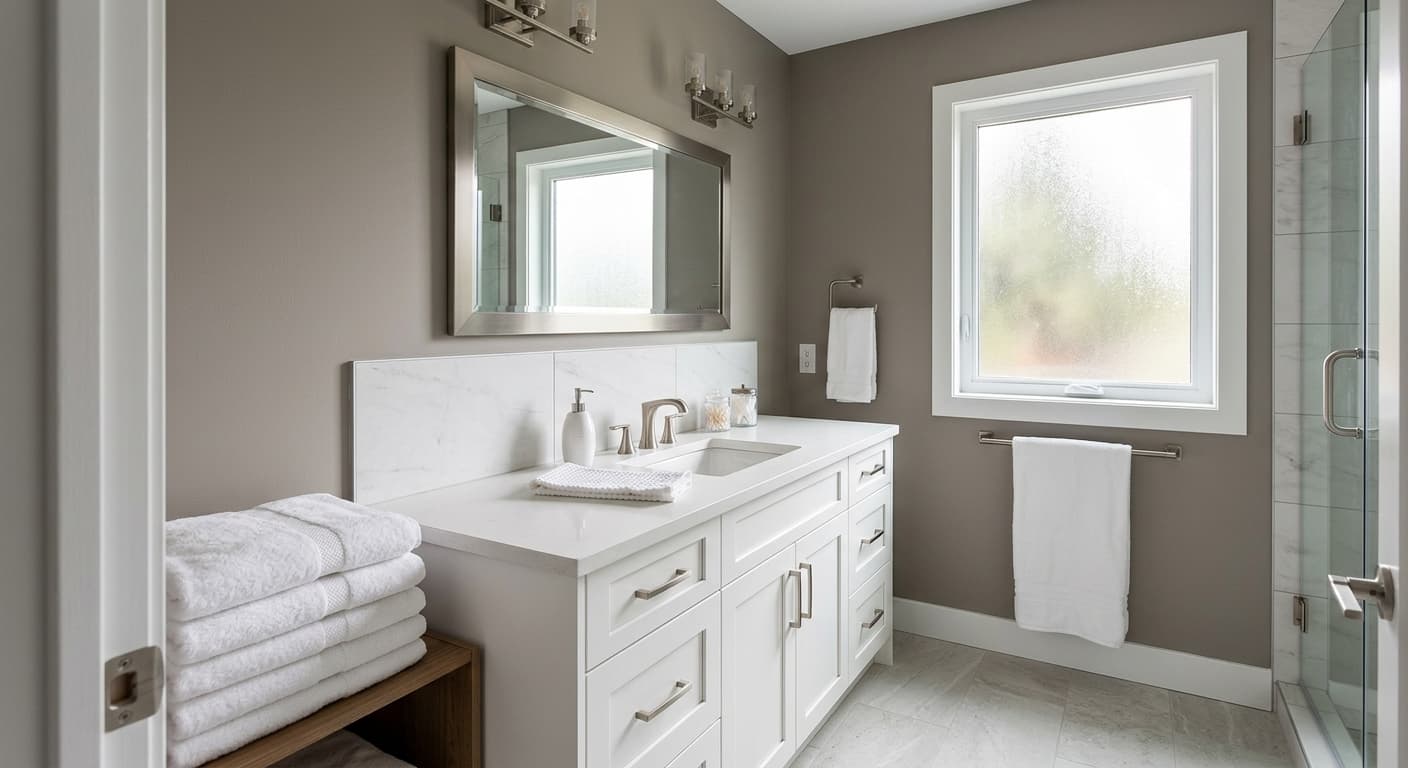
Elephant Skin is a mid-tone gray that lands right where you want a neutral to sit: dark enough to read as a real color, light enough that it never closes in on you. The name fits. This is a soft, slightly weathered gray with a quiet warmth running underneath, the kind of color that feels lived-in rather than clinical.
In bright daylight, the warmth shows itself and the gray softens toward a muted greige. You will notice it leans cooler and more straightforwardly gray under overcast skies or in shaded rooms. Under warm bulbs in the evening, it deepens and picks up a faint taupe quality that makes a space feel settled.
What sets it apart from the dozens of other mid-grays on the fan deck is restraint. It does not push purple. It does not go green. It holds a balanced middle ground that makes it easy to live with day after day, which is harder to find than you would think.
Elephant Skin Undertones
The dominant undertone here is a warm greige, with the lightest whisper of taupe. That warmth is the reason the color feels grounded instead of cold, but it is also what you need to track when you start pulling in trim, furniture, and adjacent rooms. Place it next to a stark blue-gray and Elephant Skin will suddenly look beige by comparison. Place it next to a true tan and it reads gray again.
Undertones matter because they decide whether your selections feel intentional or slightly off. Always test a sample board against the actual fabrics, flooring, and trim you plan to use. The undertone shifts depending on its neighbors, so your real room is the only honest place to judge it.
Where Elephant Skin Works Best
This color earns its keep in living rooms, bedrooms, hallways, and home offices. The warmth makes it forgiving in north-facing rooms, where cooler grays often turn flat and dreary. In south-facing spaces with strong light, you get a brighter, cleaner gray that still holds its composure through the afternoon.
It works in small spaces because the mid-tone depth adds dimension without shrinking the room, and it works in large open-plan areas because it acts as a connective neutral between zones. East and west-facing rooms will show the most dramatic shift across the day, going lighter in the morning or evening sun and settling deeper at the opposite end.
What to Pair With Elephant Skin
For trim, a soft white with a hint of warmth keeps everything cohesive. Behr Polar Bear or Swiss Coffee both work well and avoid the harsh contrast you get from a bright stark white. If you want more separation, a crisp white still works, just expect the gray to look a touch cooler against it.
For furnishings, lean into warm woods like walnut and white oak, which echo the taupe undertone. Black accents give you definition and structure. Brass and aged bronze hardware feel at home here. On the floor, mid-tone hardwood or a warm gray luxury vinyl keeps the whole palette in the same family. Natural fiber rugs in jute or wool round it out.
Colors That Clash With Elephant Skin
Steer clear of cool, blue-based whites and icy grays as companions. They fight the warmth in Elephant Skin and make it look muddy or dirty by contrast. Heavy cherry-toned wood and orange-leaning floors clash with the taupe undertone. And resist the urge to pair it with a strongly purple or lavender gray in an adjacent room, because the two will expose each other and neither will look right.